QMFS 2026: Expanding Scientific Connections for a Safe and Sustainable Food System
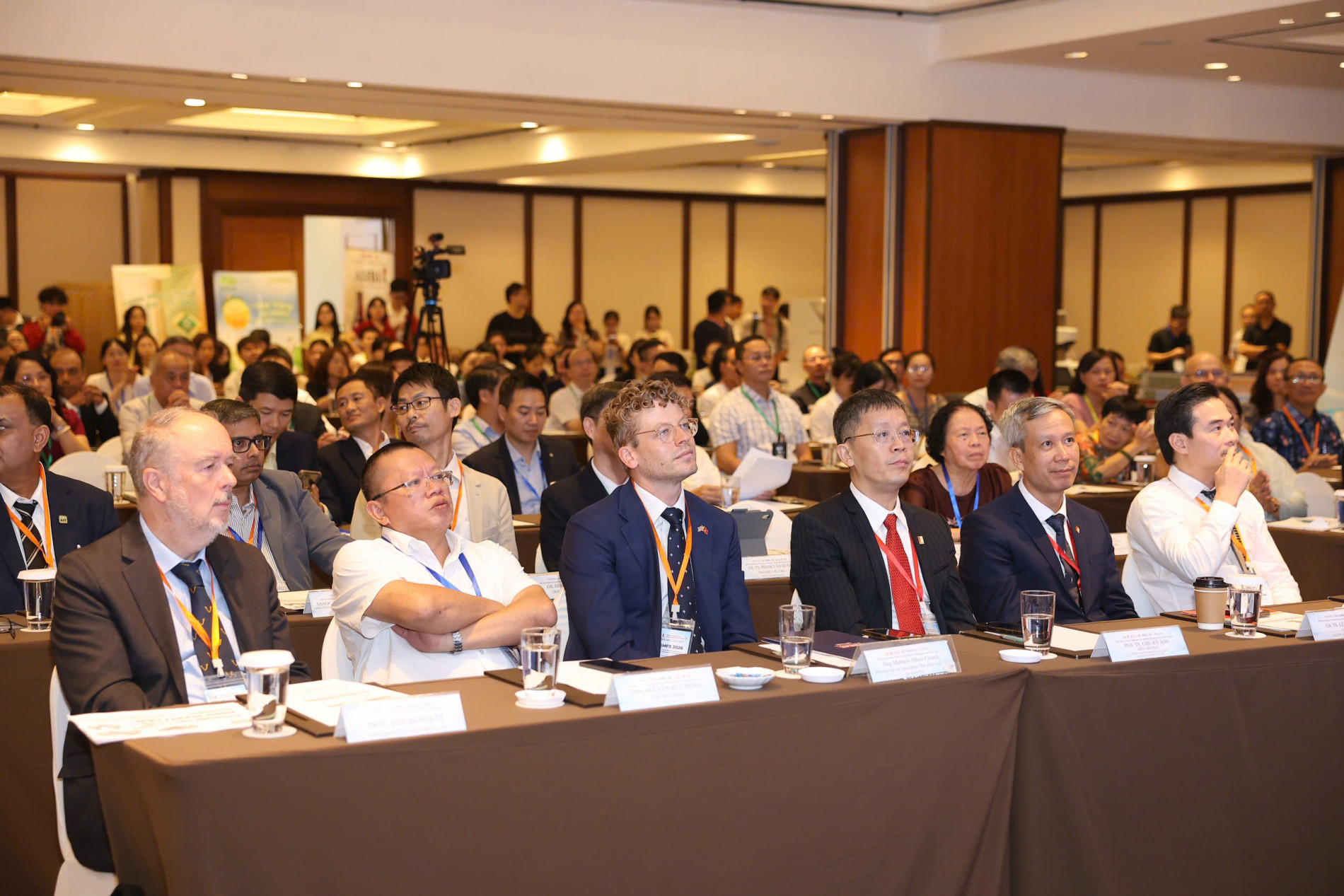
QMFS 2026 was co-organized by Hanoi University of Science and Technology (HUST), VinaCert Certification and Inspection Joint Stock Company, and the London & South East England University Consortium (including the University of Kent and the University of Greenwich). The conference focused on issues shaping the modern food system, ranging from quality management, food safety, digital transformation, and AI to biotechnology, product development, and human resources.
This year's conference was held as HUST celebrates its 70th anniversary, adding significance to a scientific forum deeply tied to the university's tradition of research, education, and corporate collaboration.
Notably, the event was attended by representatives of diplomatic missions in Vietnam, including Alexis Am, Chargé d'Affaires of the Embassy of Argentina in Vietnam; Andreas Seiler, Agricultural Counselor at the Embassy of France in Vietnam; and Matthew Albon-Crouch, Agriculture, Food and Drink Attaché at the British Embassy in Hanoi.
Multi-dimensional Perspectives from Risk Management to Food System Transformation
Initiated in 2011, QMFS has grown into a biennial international scientific conference that brings together researchers, experts, businesses, and policymakers to discuss emerging issues in food quality and safety. QMFS 2026 marks the 8th iteration of the conference series, simultaneously expanding its academic scope toward interdisciplinarity.
Delivering the opening remarks, Prof. Le Anh Tuan, President of HUST, affirmed that food quality and safety are not merely technical issues isolated to the food industry; they are directly linked to public health, consumer trust, and the global competitiveness of Vietnamese agricultural products and food.
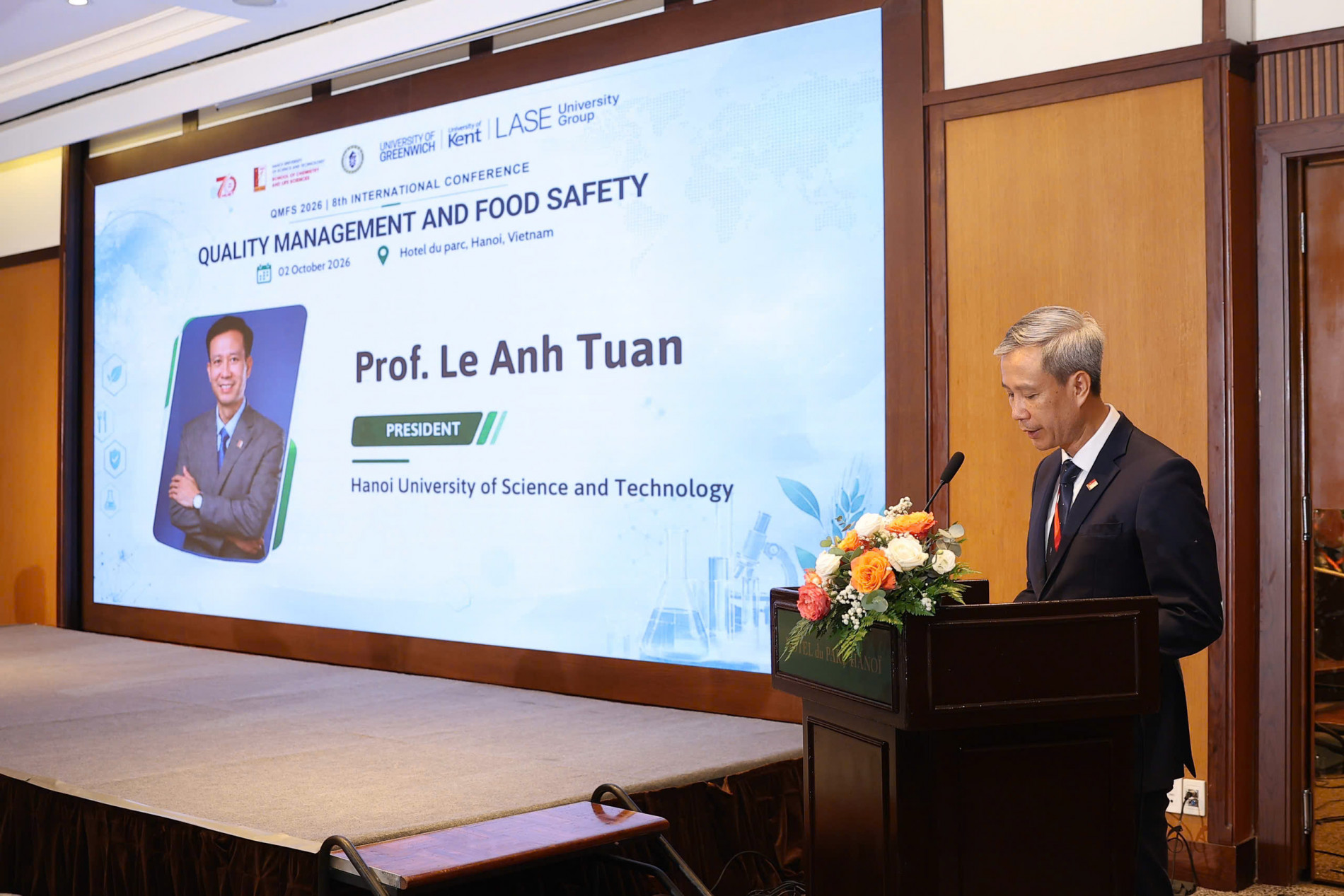
According to the HUST President, the crucial point does not lie in merely introducing new technologies into the system. Technology only truly becomes effective when applied in the right context of use.
From that perspective, QMFS 2026 is not just a platform to present new research findings, but aims at a broader challenge: how scientific and technological knowledge can be translated into practical solutions suitable for Vietnam and the region.
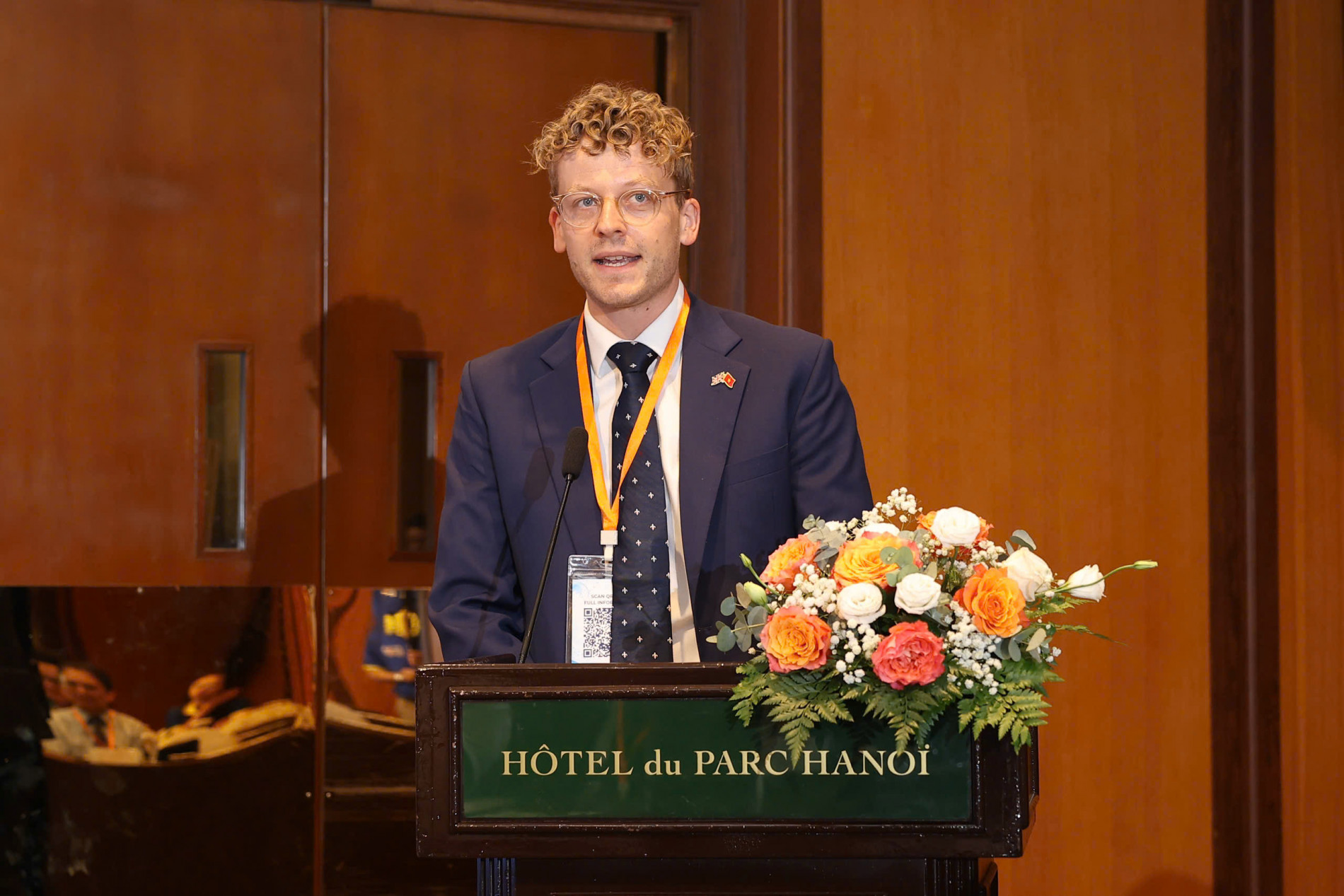
From an international cooperation perspective, Matthew Albon-Crouch, Agriculture, Food and Drink Attaché at the British Embassy in Hanoi, noted that the global food system is constantly evolving under the impact of innovation. Alongside maintaining achievements in quality and safety, nations must also address issues related to health, the environment, resilience, food security, and climate change.
Policies and New Management Models
At the conference, Dr. Chu Quoc Thinh, Director of the Food Safety Authority under the Ministry of Health, shared significant insights into new policies regarding food safety management in Vietnam.
The five core pillars of scientific reports discussed included: food safety management based on risk control across the supply chain from "farm to fork"; reforming management methods and control mechanisms; strengthening market control and new business modalities; data-driven digital governance; and unifying the enforcement apparatus from the central to local levels.
One notable highlight was the approach to risk management throughout the supply chain—from primary production and raw material inputs to processing, preservation, circulation, and distribution—rather than focusing solely on end-stage control.
Additionally, the management approach is oriented toward classification by food groups and risk levels, while simultaneously tightening control over residue limits, street food, collective kitchens, and school cafeterias.
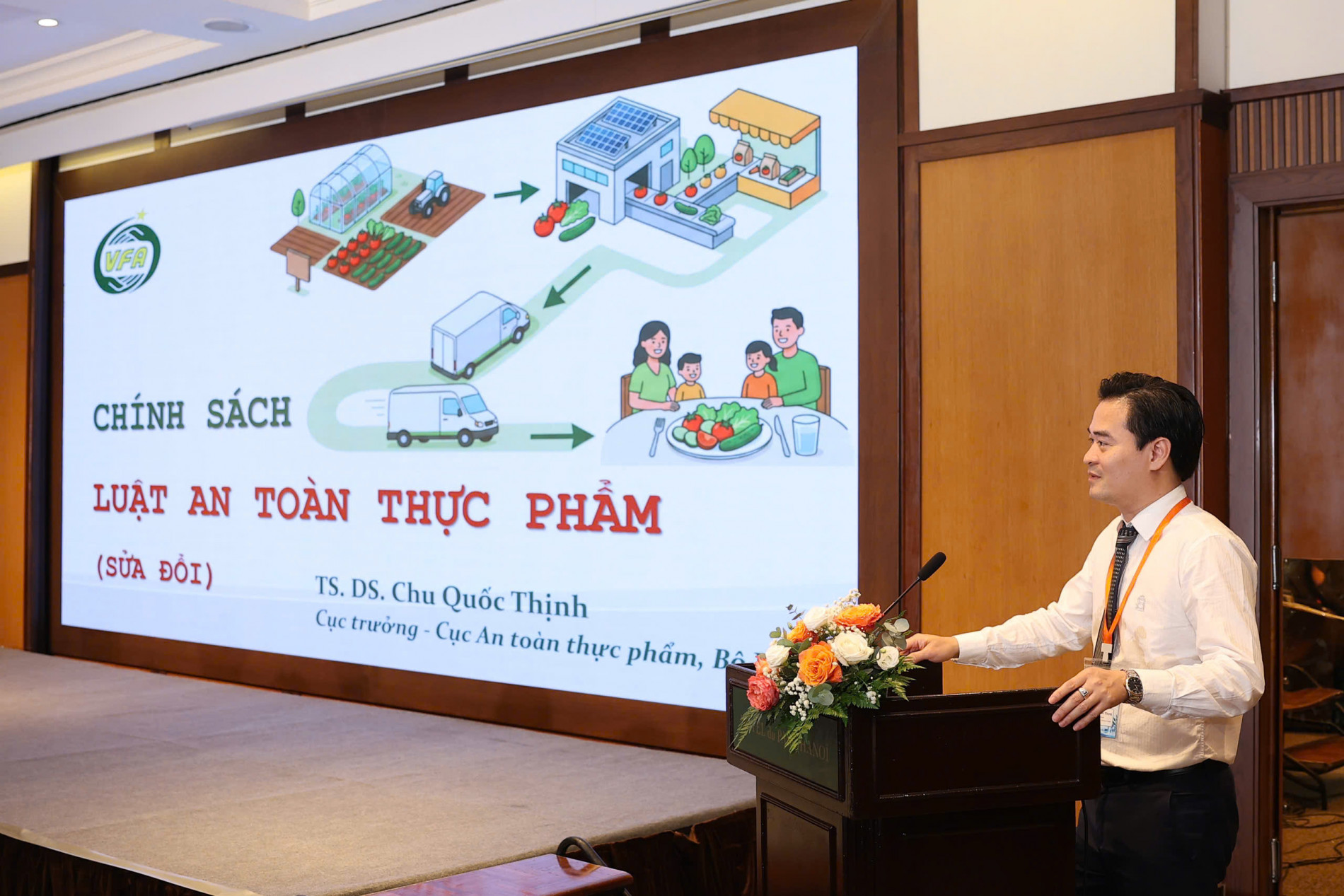
According to Dr. Chu Quoc Thinh, the draft of the revised Food Safety Law is therefore expected to supplement mechanisms for censorship, publicizing product information, advertising on e-commerce platforms, and feedback mechanisms for online food delivery services.
Specifically, digitalization is established as a standalone pillar. The development of a national database on food safety is slated for inclusion in specialized laws, demonstrating a shift from an inspection-based management approach to data-driven governance.
Diverse Research Directions in Food Quality and Safety Management
Following the opening session, six keynote presentations successively broadened perspectives on food system transformation, risk management, natural products in the digital and AI era, plant-based proteins, capacity building in food safety, health-oriented foods, and biotechnological research directions.
The conference also held scientific sessions featuring six concurrent tracks focusing on quality management and digital transformation; biotechnology; plant-based proteins; research and quality management of natural products; education and human resource development; and probiotics alongside trends in food system transformation.
The reports bridged academic research, technological application, corporate demands, and educational orientation, thereby expanding the space for dialogue from the laboratory to production lines and the market.
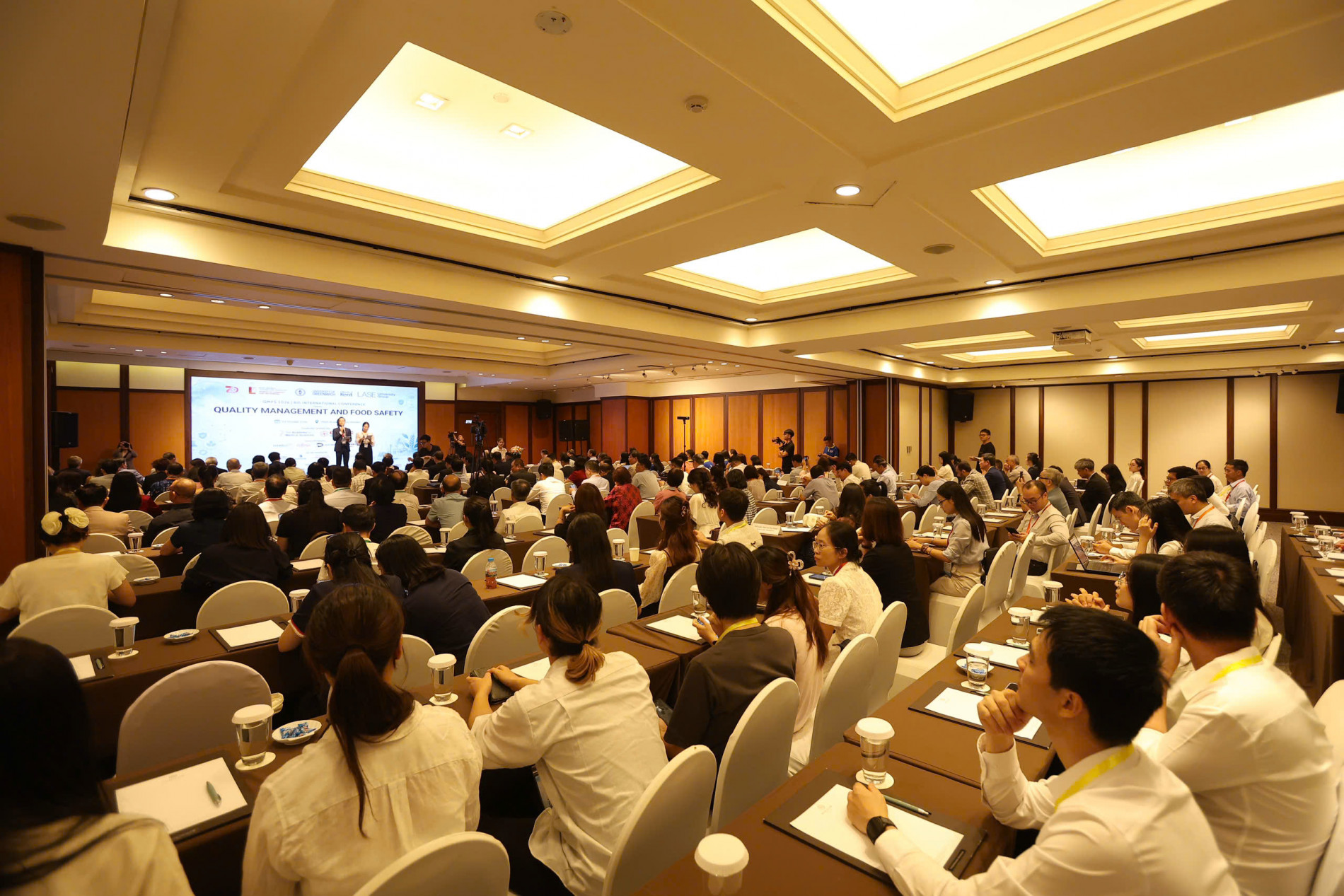
The conference welcomed the participation of more than 250 delegates from universities and research institutes across 12 countries, including the UK, France, Japan, Israel, Thailand, Laos, Indonesia, Argentina, Cambodia, Myanmar, and Mongolia. It also gathered numerous representatives from universities offering food-related programs nationwide, such as Ho Chi Minh City University of Technology, Da Nang University of Technology, International University (VNU-HCM), Ho Chi Minh City University of Industry and Trade, Can Tho University, Thai Nguyen University, and Hue University.
The conference also received interest and support from over 20 domestic and international enterprises and sponsors, notably OPC Pharmaceutical JSC, Vinasoy, Hanoimilk, IC Food Vietnam, Hitachi, Fujitsu, G Asia Pacific Group, Phu Tho One Member LLC, and Data Impact.
In the year HUST celebrates its 70th anniversary, QMFS 2026 continues to affirm a consistent approach in the university's scientific endeavors: bringing research closer to the needs of society and businesses, and expanding international connections to jointly seek solutions for practical real-world challenges.
Author: Nguyễn Thu Huệ
Newer articles
Older articles
-
 HUST Strengthens International Research Connections at AF...
-
 A Brazilian Lecturer "Melts" into Hanoi University of...
-
 HUST Celebrates 70 Years of Global Partnerships, Friendship...
-
 Hanoi University of Science and Technology Wins Two Awards...
-
 Myanmar Students Experience Global Higher Education at Hanoi...
-
 Party General Secretary and State President To Lam Presents...
-
 Over 180 Outstanding Products Relive the 70-Year Science and...
-
 Assoc. Prof. Huynh Quyet Thang Receives the "Outstanding...
-
 HUST and Kyoto University Advance Interdisciplinary...
-
 "The Blank Canvas" and the Story of the Valedictorian Who...