Hanoi University of Science and Technology (HUST)https://hust.edu.vn/uploads/sys/logo-website02_136_200_1.png
Thursday - 01/10/2026 23:31
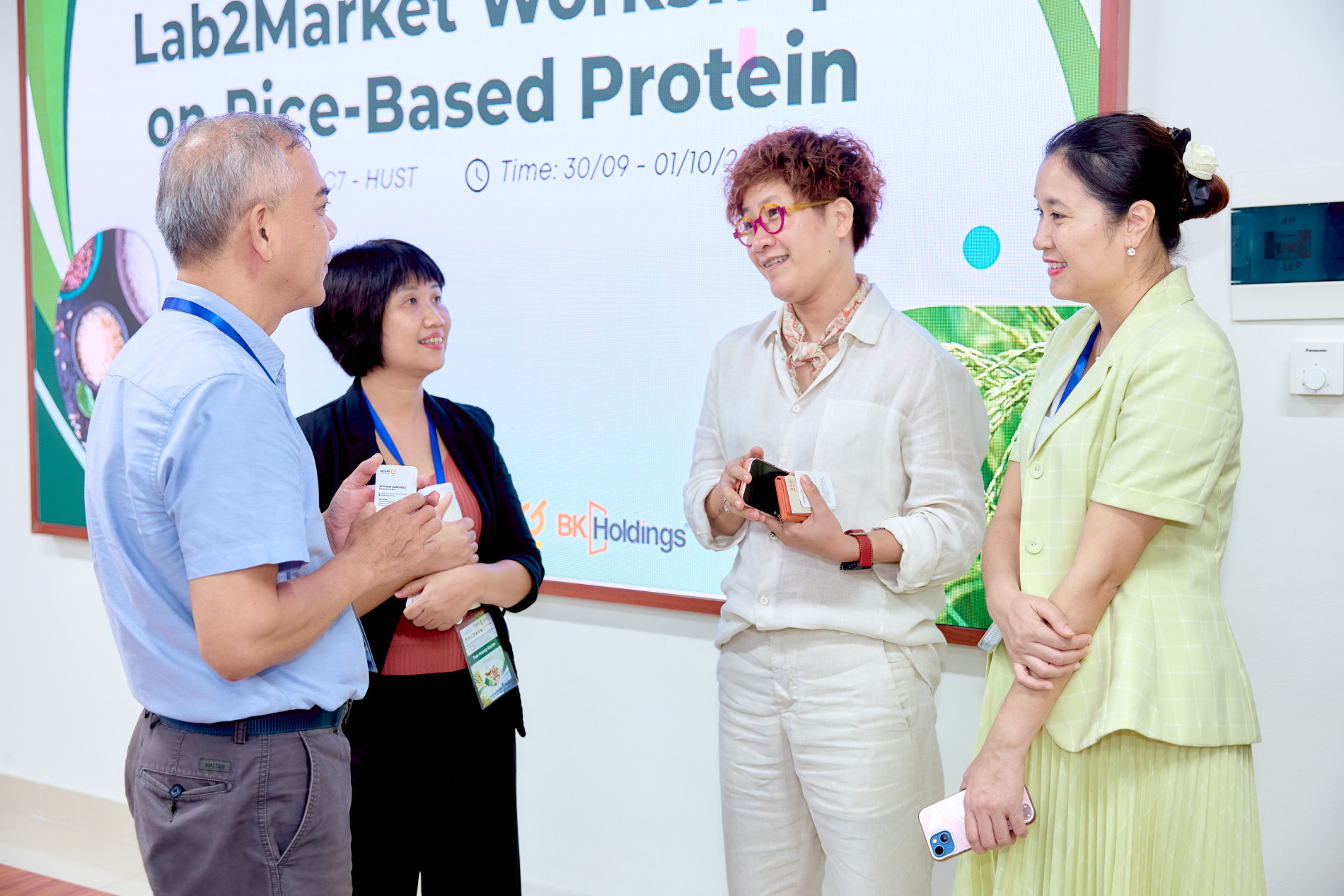
Scientists at the workshop
On September 30 and October 1, 2026, the “Lab2Market Workshop on Rice-Based Protein” served as a strategic bridge, transforming rice co-products into sustainable plant-based protein solutions and delivering practical value to businesses, experts, academics, and students.
As part of the 3PUKSEA project, the workshop was co-organized by Hanoi University of Science and Technology (HUST) and the London and South East University Group (LASE - including University of Greenwich and University of Kent), funded by The Academy of Medical Sciences (UK).
Market Signals and Potential of Rice Protein
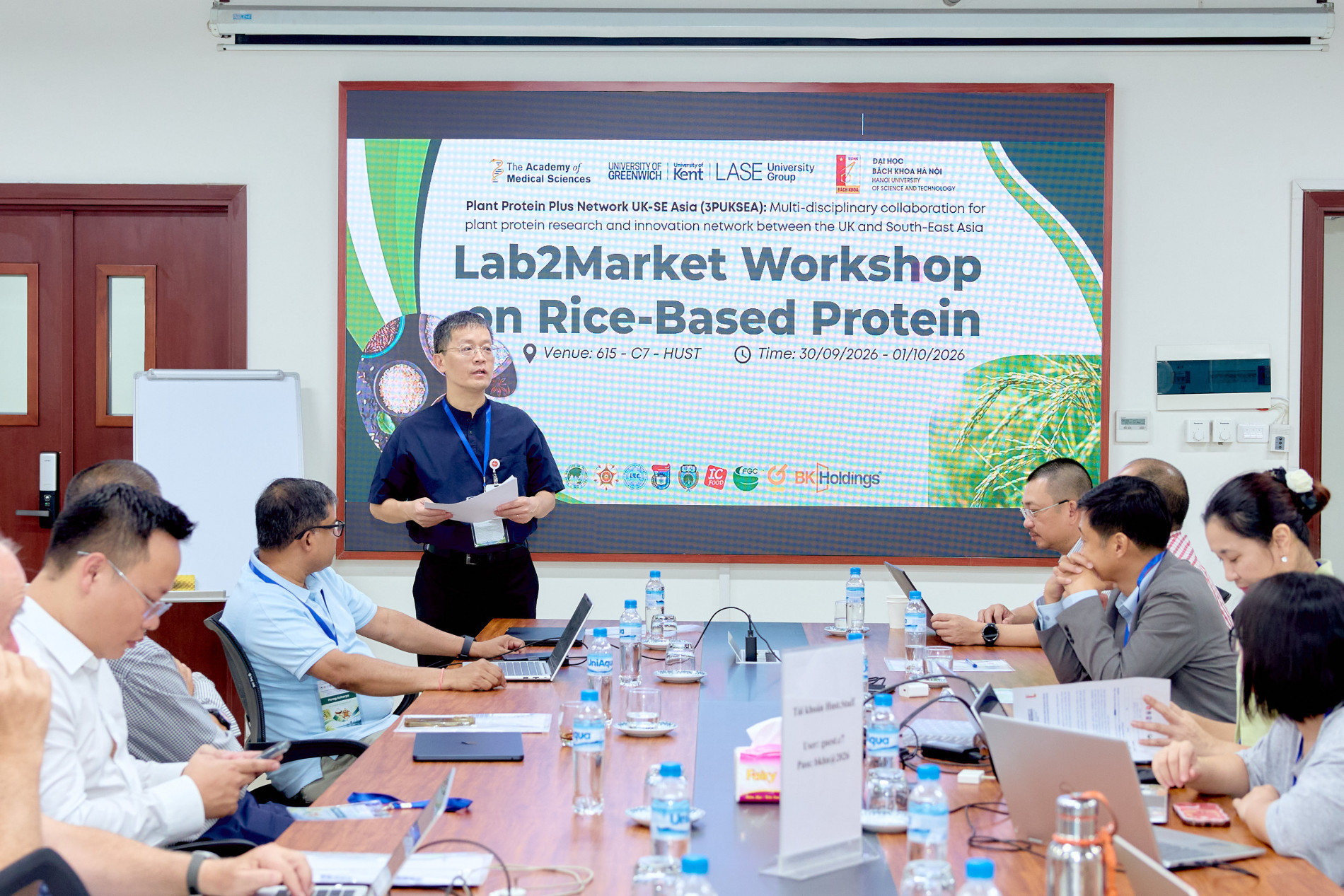
Opening the workshop on September 30, Assoc. Prof. Chu Ky Son, Dean of the School of Chemical and Life Sciences (HUST), emphasized the open and collaborative spirit of the Lab2Market Workshop.
Assoc. Prof. Chu Ky Son, Dean of the School of Chemical and Life Sciences (HUST)
Great technology alone cannot ensure product success without understanding markets, consumer behavior, business models, and commercialization capabilities. Therefore, alongside the School of Chemical and Life Sciences, HUST was represented by its School of Economics and BK Holdings.
“Interdisciplinarity is essential for transforming research into larger-scale, ambitious products.” - Assoc. Prof. Chu Ky Son affirmed.
Building on this approach, Ms. Pham Thi Huong Giang, representative of GroupG Asia Pacific, kicked off the workshop with insights into global and Asian market trends for plant-based proteins.
In the Asia-Pacific region, soy remains the primary ingredient. However, pea protein and multi-source blends are gaining popularity due to concerns over allergenicity and genetically modified organisms (GMOs). In this context, rice holds a special place in Asia as a culturally familiar staple.
In Vietnam, prospects are particularly promising as consumer dietary habits shift. Survey data revealed that 84% of surveyed Vietnamese consumers are willing to try plant-based alternatives, and 48% have already substituted animal meat with plant-based options.
Nevertheless, new products must address multiple challenges simultaneously: cost, quality, safety, application feasibility, and consumer acceptance.
This set the stage for the recurring theme of “upcycled rice protein”, protein recovered and repurposed from rice co-products. The core market challenge is turning a promising raw material into a well-understood, scientifically validated, affordable, and trusted product.
Product Development Driven by Consumer Insights
The market discussion transitioned into practical product development experiences.
Assoc. Prof. Vu Thu Trang, Vice Head of the Department of Food Engineering (HUST), shared a case study on developing rice milk based on real-world market demands in Vietnam.
Assoc. Prof. Vu Thu Trang, Vice Head of the Department of Food Engineering (HUST) and her team
While imported rice milk from South Korea is expensive, Vietnam possesses abundant rice resources. Lasuco Group, a partner in the project, sought value-added solutions for its rice supply.
The research team established an R&D workflow starting with market research and benchmark analysis. They then developed technologies to convert grains into suitable product forms, conducted pilot trials, performed sensory evaluations, optimized formulations, and proceeded to commercialization while continuously collecting customer feedback.
From initial research, the product moved into pilot production and evolved into a range of rice beverages, including protein-enriched brown rice milk.
The processing technology was further refined to retain whole grains and minimize waste during extraction, embodying circular economy principles. The team has since expanded to almond, sweet potato, and taro beverages, as well as a matcha rice milk product currently nearing market launch.
Workshop participants sampled the new matcha rice milk and tested a digital platform for sensory evaluation and feedback collection. The platform allows researchers to design sensory tests, deploy surveys, track real-time results via a dashboard, and export final reports for decision-making.
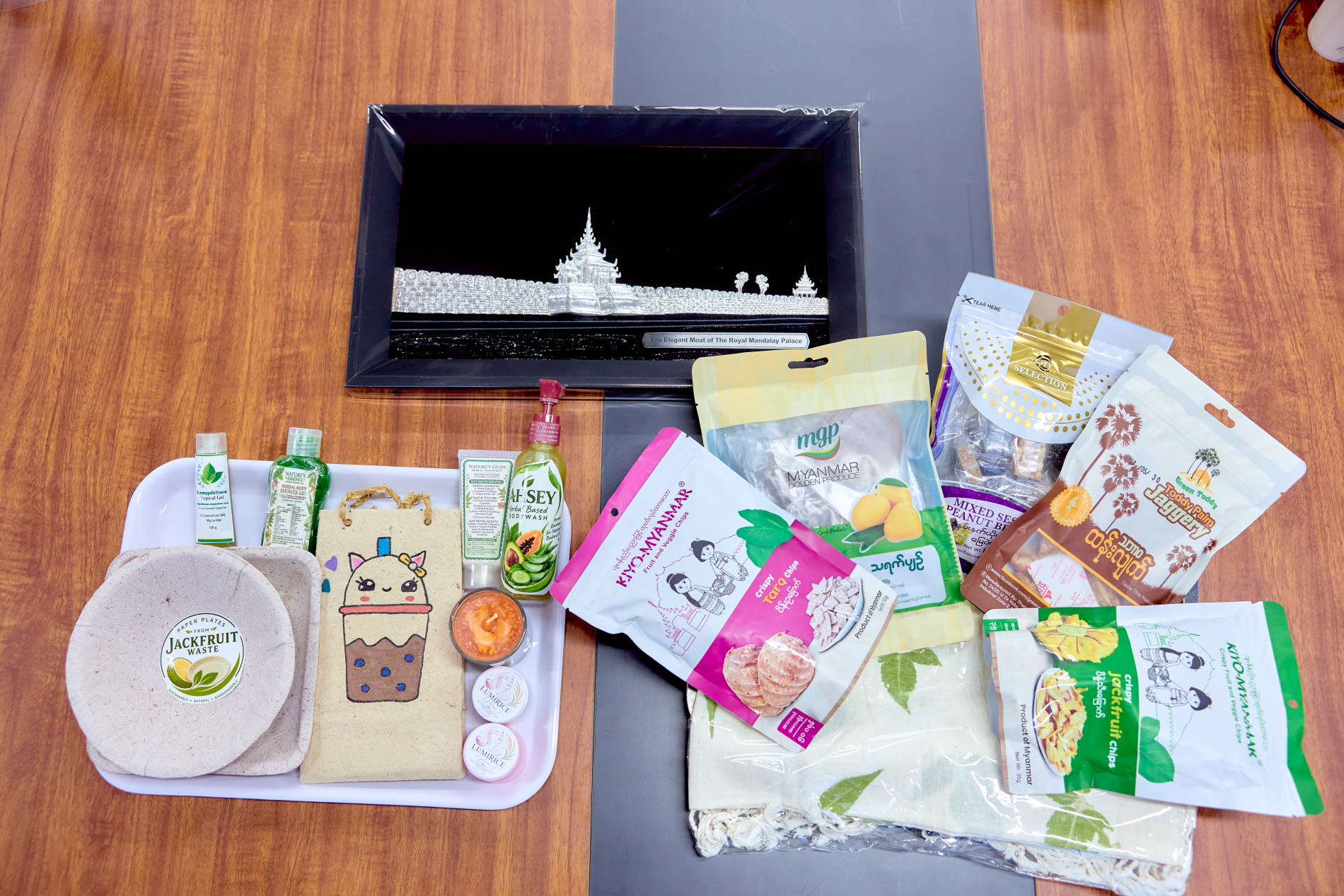
Some products introduced at the workshop
Alongside HUST's case study, delegates from Myanmar, Cambodia, Indonesia, and Vietnam showcased real products, creating opportunities to compare regional approaches, ingredients, and potential collaborations.
Beyond the Laboratory
Over the two-day event, the workshop focused on building business models and pitch deck.
Participants formed four multidisciplinary teams combining business representatives, lecturers, and graduate students. Guided by experts, the teams developed product concepts for rice protein beverages, functional foods, and snacks, progressing from market research to full product design.
Sessions on entrepreneurship and spin-offs provided insights into transforming research outputs into viable commercial entities, featuring contributions from BK Holdings (HUST), the University of Greenwich, and Ming Foods.
The teams then developed pitch decks addressing market demand, target customers, product concepts, competitive advantages, technology, quality standards, production scale, financials, business models, risk management, and go-to-market strategies.
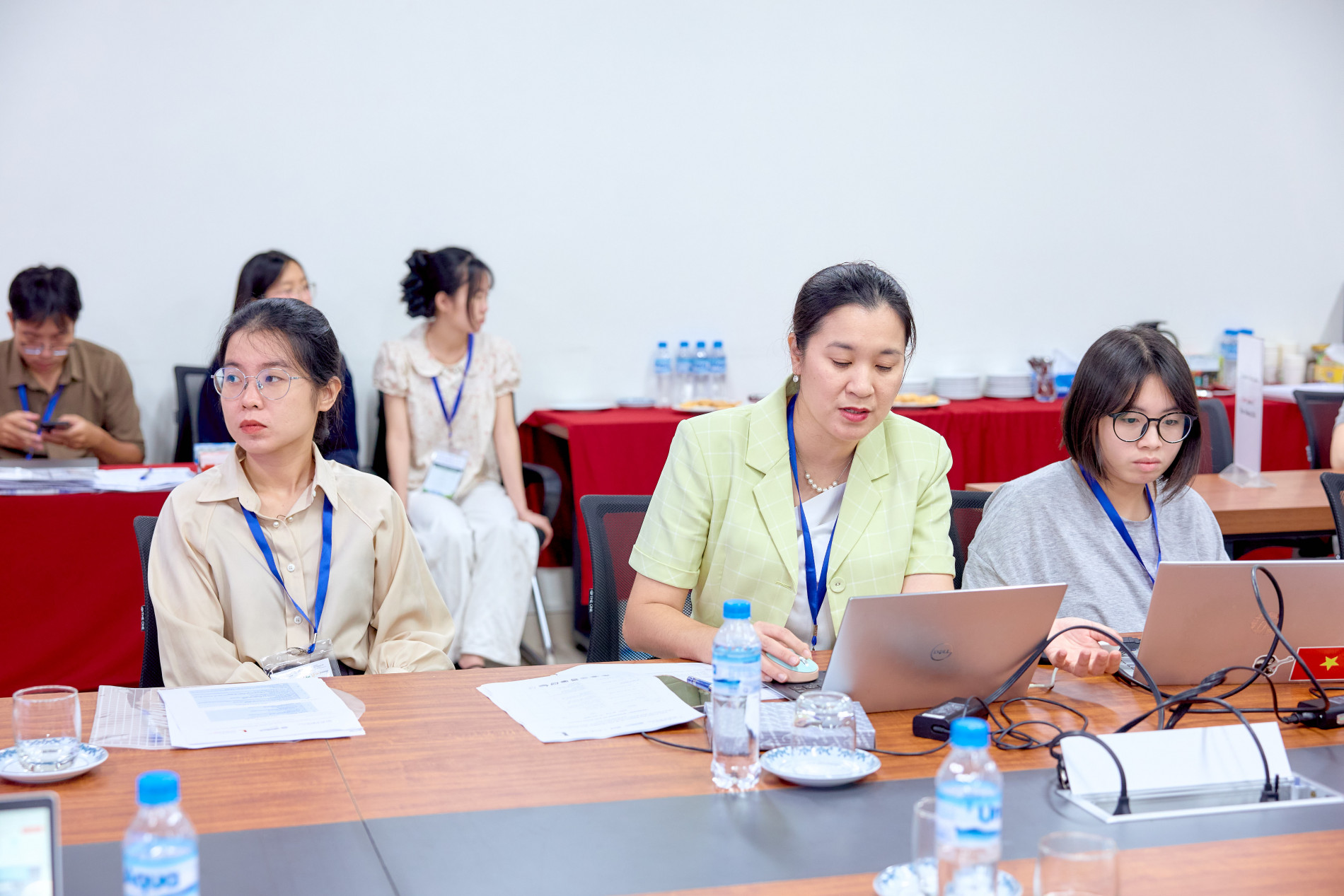
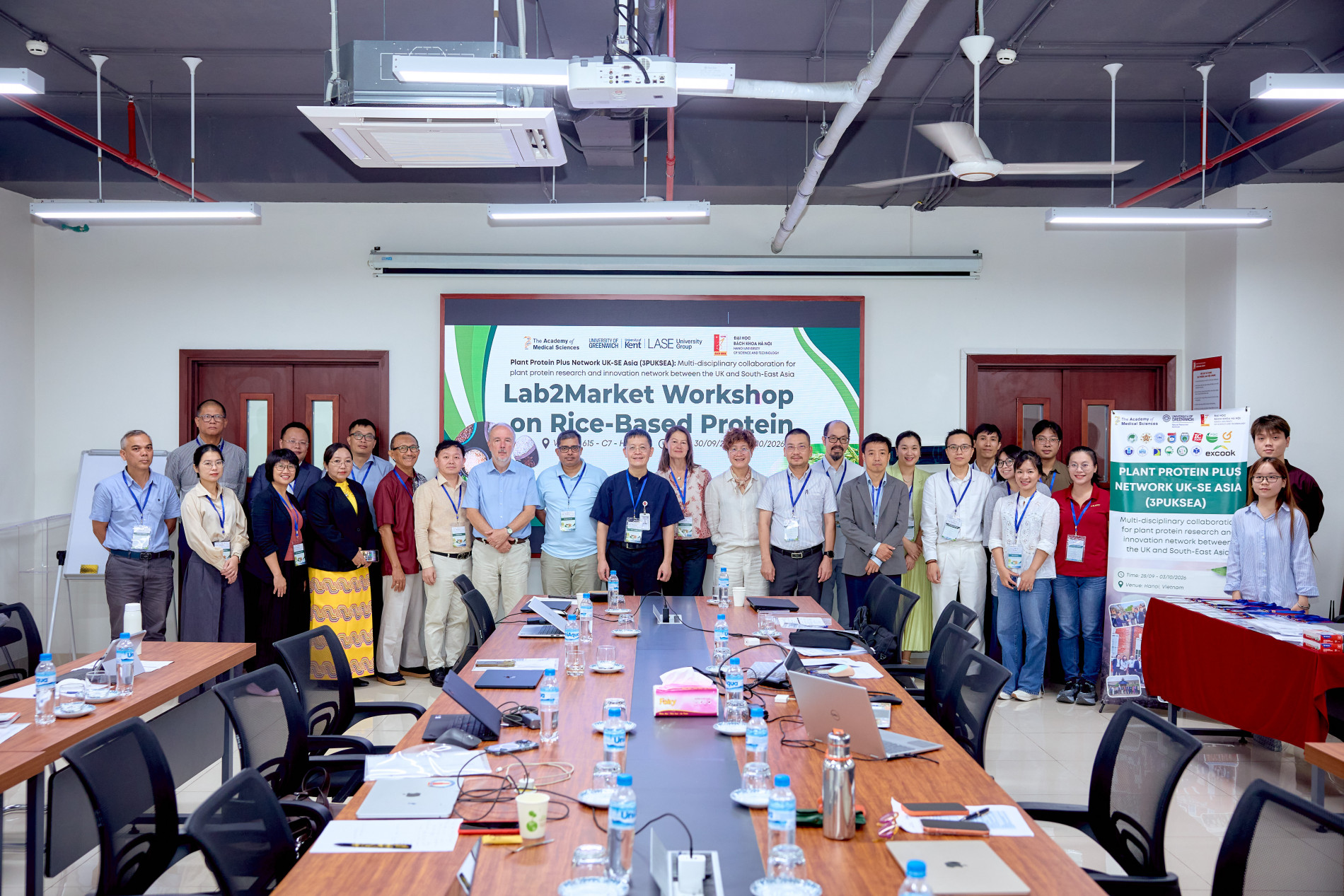
All workshop participants
During the demo session, each team had 15 minutes to present their prototype and pitch deck before taking questions from an international panel of experts and industry leaders. Teams received feedback to refine their products, and the most outstanding idea was awarded the “Best Innovation Concept.”
By re-evaluating a familiar ingredient, the workshop offered a fresh perspective on the value generated from scientific research, building a strong foundation for the rice protein ecosystem. This strategic initiative elevates the rice value chain in Vietnam and Southeast Asia, empowering lab-grown innovations to enter the global market.
 HUST Strengthens International Research Connections at AF...
 A Brazilian Lecturer "Melts" into Hanoi University of...
 HUST Celebrates 70 Years of Global Partnerships, Friendship...
 Hanoi University of Science and Technology Wins Two Awards...
 Myanmar Students Experience Global Higher Education at Hanoi...
 Party General Secretary and State President To Lam Presents...
 Over 180 Outstanding Products Relive the 70-Year Science and...
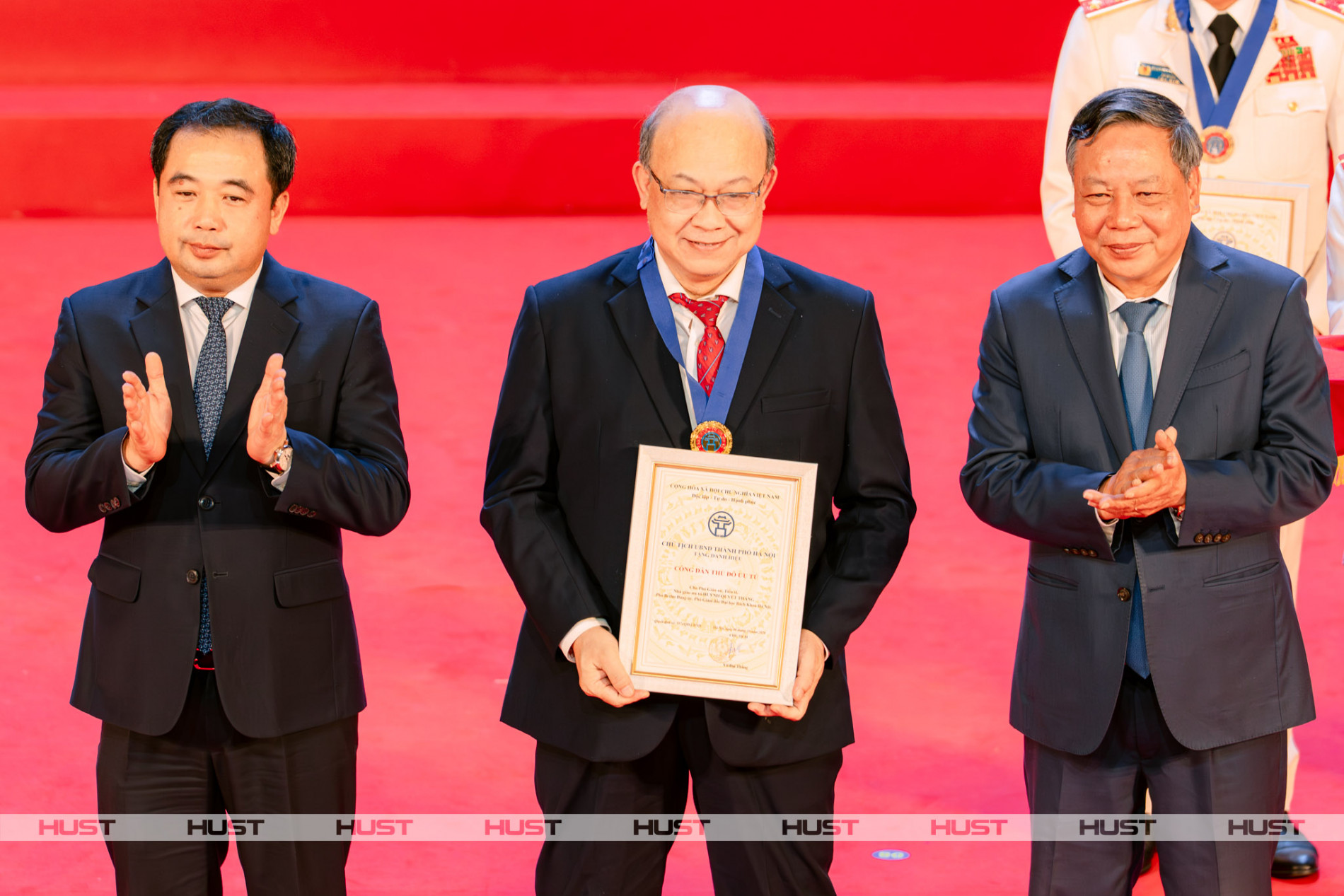 Assoc. Prof. Huynh Quyet Thang Receives the "Outstanding...
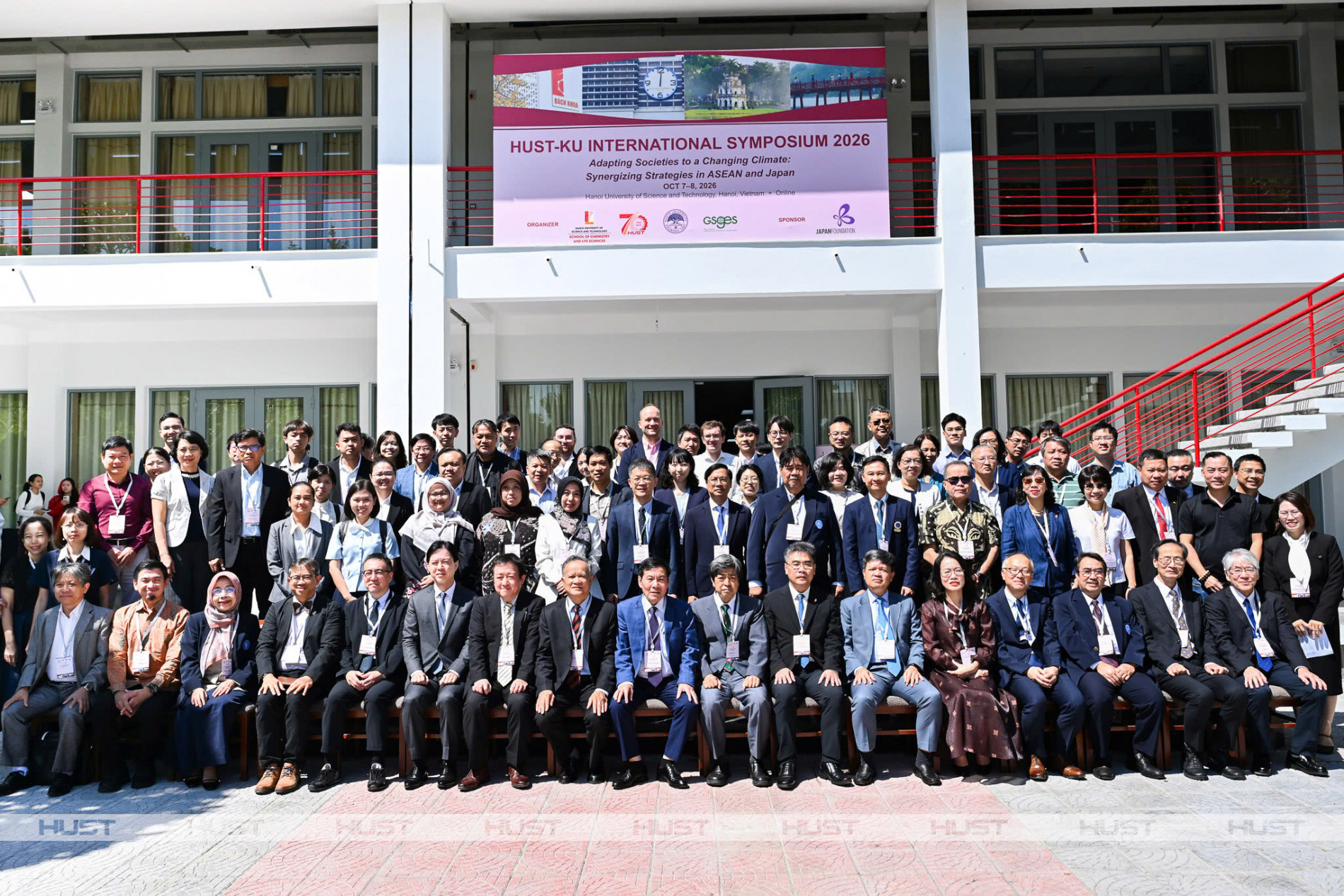 HUST and Kyoto University Advance Interdisciplinary...
 "The Blank Canvas" and the Story of the Valedictorian Who...