Behind the AI Algorithms Optimizing Life-Saving Irradiation by a HUST Seed Lecturer
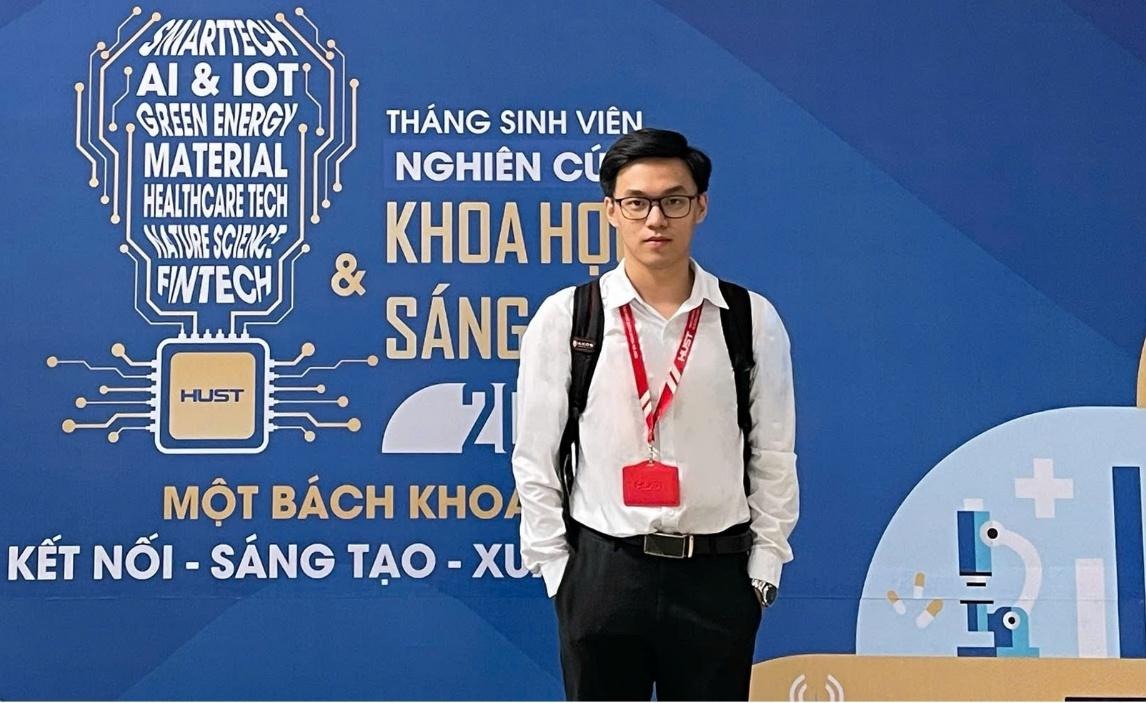
In the modern laboratory of Yonsei University in South Korea, HUST alumnus Pham Quang Vinh focuses on researching complex nuclear simulations and dense lines of artificial intelligence (AI) code. He is currently a Ph.D. student at the Radiation Physics Analysis Laboratory of Prof. Chulhee Min - a highly respected and positioned scholar in the international academic community, especially in the field of Radiation Engineering. Mr. Vinh is a seed lecturer of Hanoi University of Science and Technology under the University's "Creating a Source of Lecturers for the 2023 - 2030 Period" Scheme.
Recalling memories of school, teachers, and friends, young teacher Pham Quang Vinh spoke about his bold decision to pivot when he chose to pursue a major in Medical Physics (PH3) to find the intersection between the power of engineering and medicine.
The Touchpoint Between Nuclear Engineering and Medicine
Right when facing career orientation choices, Vinh early realized he had a special interest in the medical field, wishing to create direct impacts on community health. However, the core strength of that 18-year-old boy lay in natural sciences and engineering thinking. "Finding the Medical Physics - PH3 major at Hanoi University of Science and Technology became the solution to connecting these two elements," Mr. Vinh shared.
At the time of his enrollment in 2021, PH3 was a new direction, promising much room for development in Vietnam while opening up opportunities for long-term contributions to the country's medicine. He decided to place full trust in HUST to build a methodical engineering foundation as a launchpad for sustainable medical applications.
The learning environment at HUST is famous for being intensive and serious, and young Quang Vinh considered this a "forging" period that helped form a high degree of autonomy. A CPA of 3.7/4.0 and a series of excellent scholarships he achieved are the results of his persistent training throughout 4 years of studying at HUST.
Staying up late continuously to refine every slide and practice presenting helped him realize his capacity to withstand pressure and his own persistence. Those seemingly exhausting moments built up confidence, helping the HUST student that year be ready to face intensive research requiring long-term focus later on.
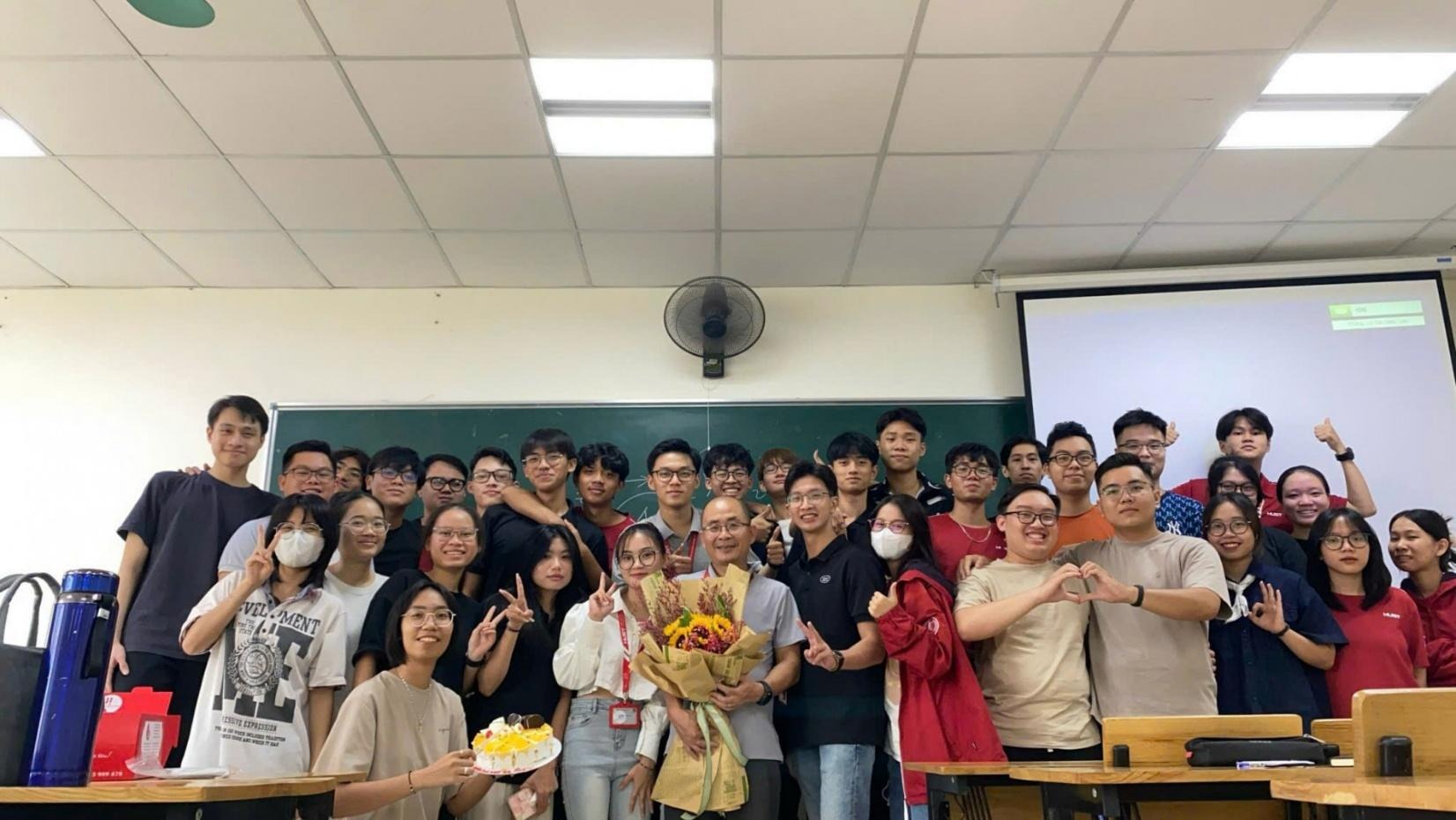
The three keywords "Discipline - Mutual Support - Responsibility" became his guiding principle throughout his study time at the Faculty of Engineering Physics. Discipline forced him to be serious and persistent with every difficult problem. The spirit of mutual support was demonstrated through the companionship of friends and teachers, helping him overcome complex professional barriers.
Especially, a sense of responsibility gradually formed when he understood that jobs in the Medical Physics field are directly related to human lives. Every line of code or mathematical model requires ultimate caution and precision.
The Mission of the "White-Coated Engineer" Through Research Works
During his study time at HUST, the period he started participating in Deep Learning research for lung medical imaging diagnosis, Vinh once felt vague about the practical significance of what he was doing. Most of the time he had to work with dry mathematical concepts and neural network models.
However, when he started building neural network architectures like U-Net, UNet++, SegNet, ResUNet++, or TransUNet, he began to see specific results. He diligently compared the performance and accuracy of these models in segmenting lung CT images. The moment he saw the algorithm capable of consistently identifying abnormal features on real medical data was the moment he realized the true value of the job. Deep Learning models had become a bridge helping doctors detect tumors early, improving patient treatment effectiveness.
"The happiest moment is seeing the algorithm yield outstanding results on actual clinical data. The fact that the model can compete fairly, or even be more optimal than multi-billion dong commercial software from the world's leading radiotherapy machine manufacturers, is an important proof. It helps minimize reliance on personal experience and significantly shortens treatment planning time," Mr. Vinh shared.
This research is currently undergoing peer review in an international scientific journal, affirming the stature of research works originating from Hanoi University of Science and Technology.
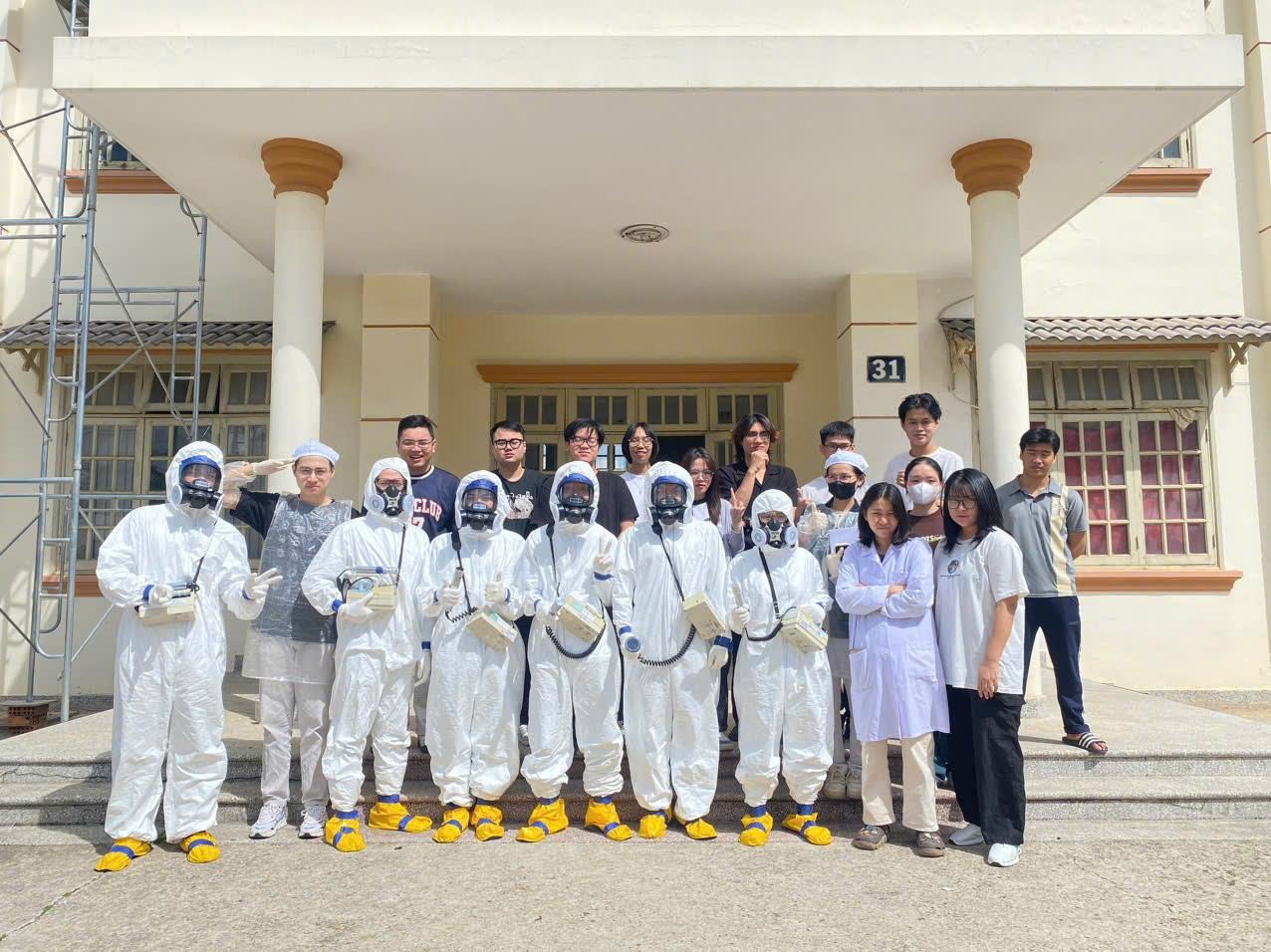
Besides research on computers and in hospitals, Mr. Vinh also directly participated in radiation incident response drills and surface radioactive contamination measurements at the Dalat Nuclear Research Institute. Directly exploring the reactor helped him understand the essence of radiation safety principles rather than just stopping at textbook pages. He learned to use Geant4 to simulate the interaction of every photon or electron with biological tissue. Combining with Monte Carlo simulation methods helped him build models that improve the accuracy of dose distribution, supporting doctors in making scientific clinical treatment decisions.
An Integration Mindset and the Aspiration to Return to Contribute
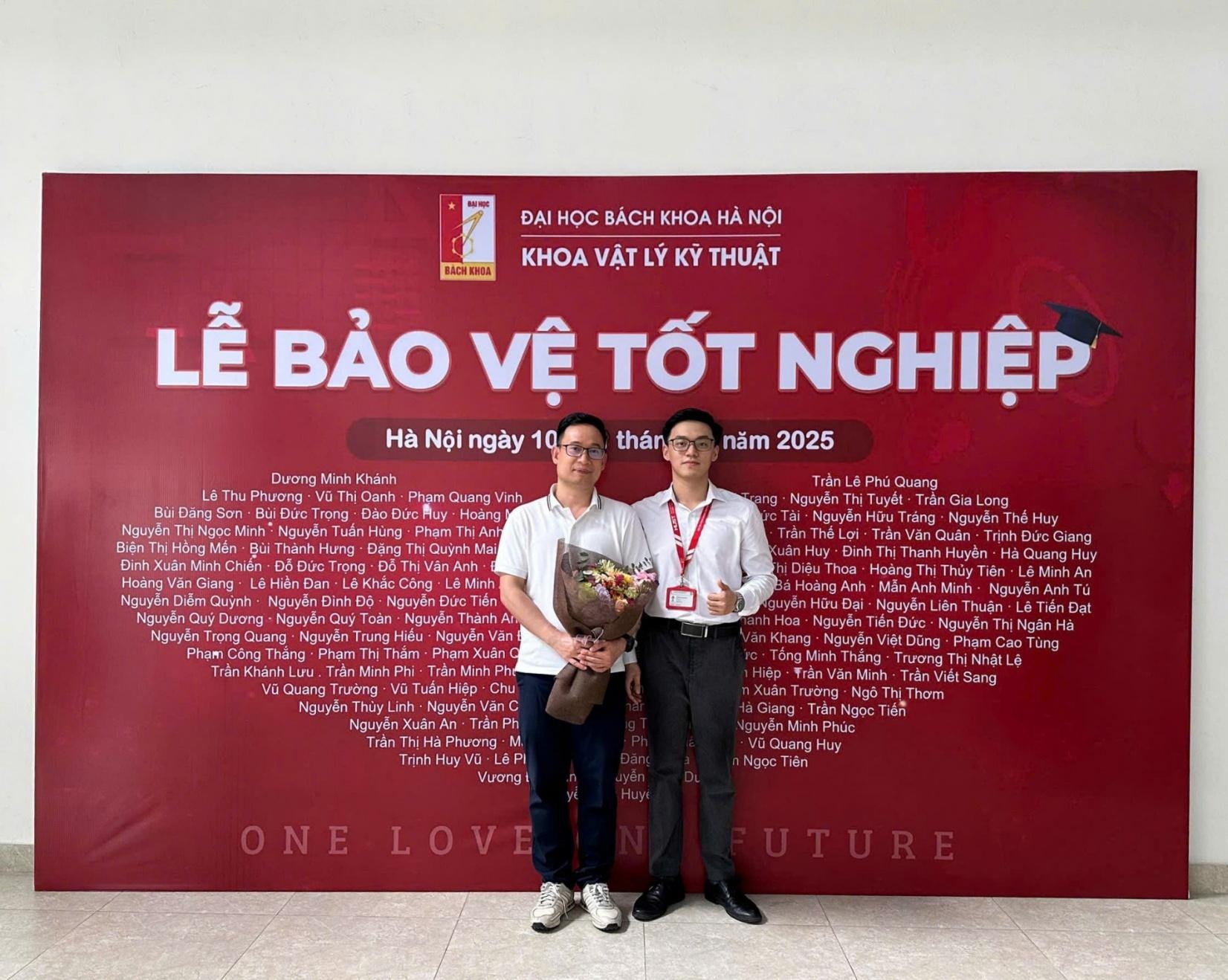
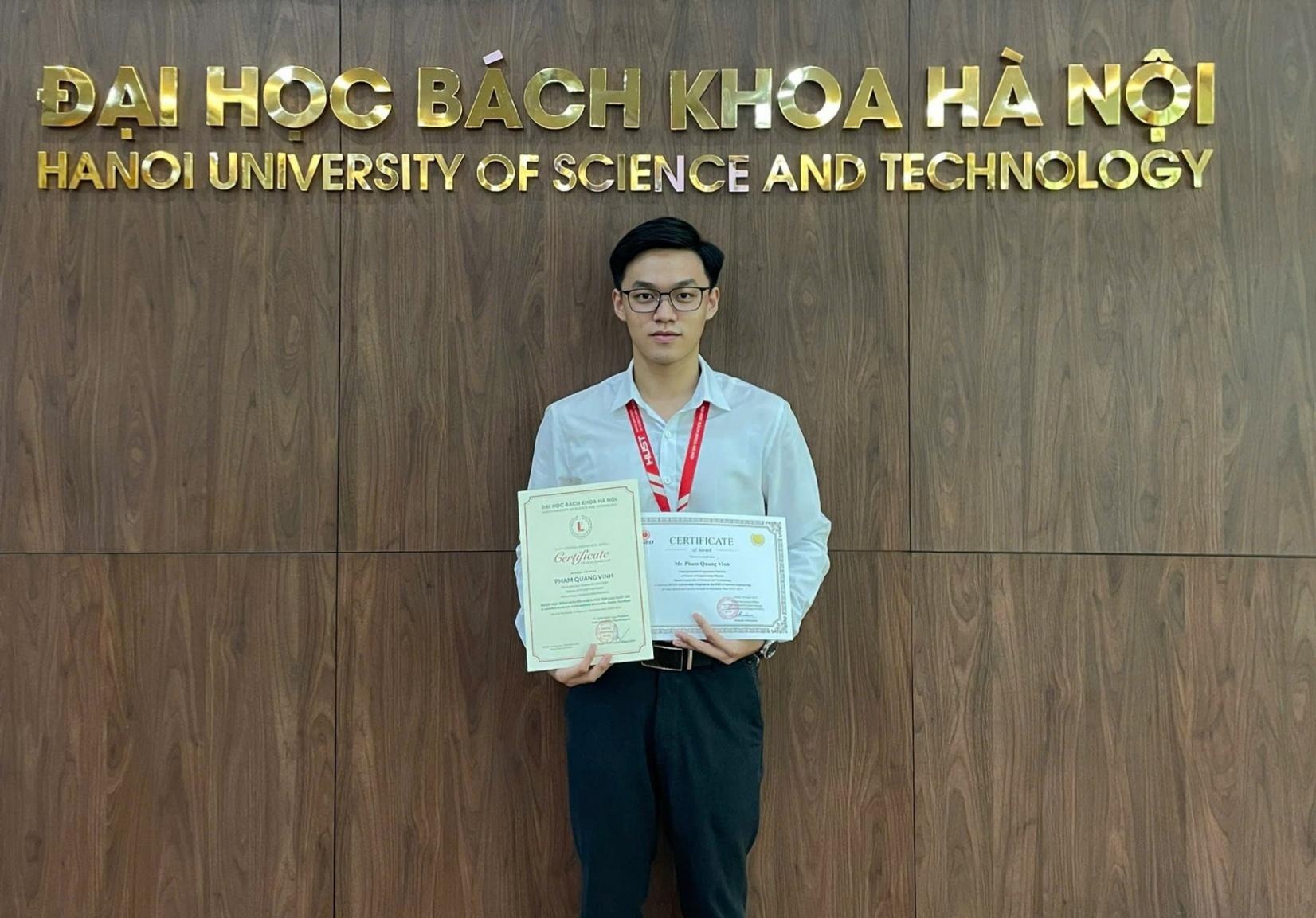
Recently, Mr. Vinh passed rigorous interview rounds to win a scholarship for outstanding international students at Yonsei. For him, the greatest "reward" of someone pursuing the Medical Physics - PH3 major lies in the humane value when the artificial intelligence models or the lines of code he writes directly reduce patients' pain, helping them have a better quality of life.
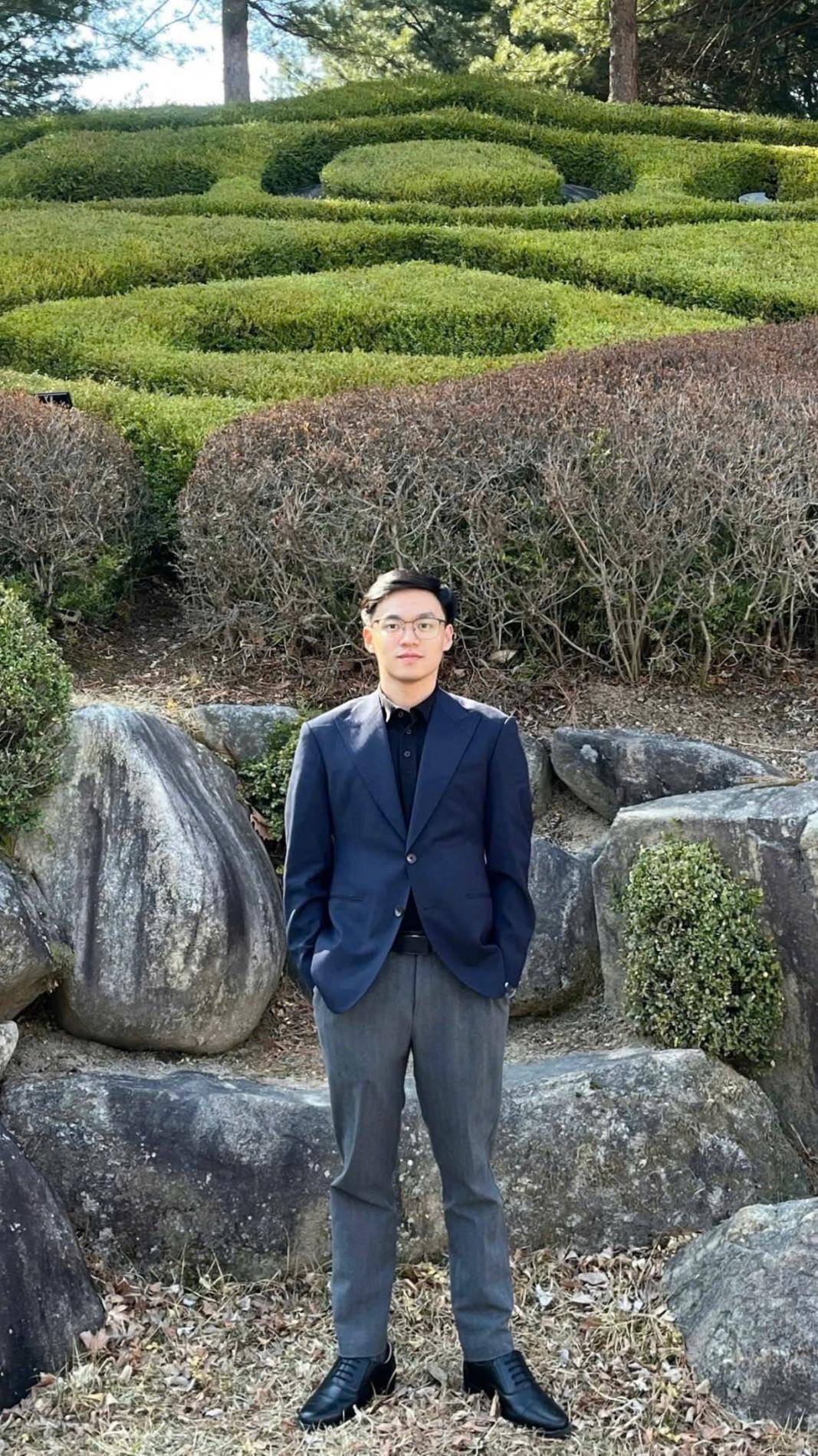
Diligently researching, the HUST scientist still nurtures the aspiration to return to stand on the podium of the Faculty of Engineering Physics, continuing the fire-passing mission of the preceding teachers. The HUST environment has forged the current Pham Quang Vinh with a synthesis of iron discipline, mutual support, and social responsibility - the image of a generation of young HUSTers who are diligently contributing to human life.
Author: Nguyễn Diệu Ngọc
Newer articles
Older articles
-
 Prof. Le Anh Tuan Appointed as HUST President
-
 HUST and Panasonic Vietnam Collaborate to Develop HVAC Human...
-
 The Outstanding HUST Bachelor: Excellent at Programming,...
-
 Behind the AI Algorithms Optimizing Life-Saving Irradiation...
-
 A 30-Country Arena, a HUSTer, and the Story of Classrooms...
-
 The “Family Tradition” of HUST
-
 AI DAY 2026: Hanoi University of Science and Technology...
-
 Hanoi University of Science and Technology and The Asia...
-
 Entrepreneurship for Healing
-
 HUST Research Applies Artificial Intelligence to Medical...