HUST and Kyoto University Advance Interdisciplinary Cooperation Amid Climate Change Challenges
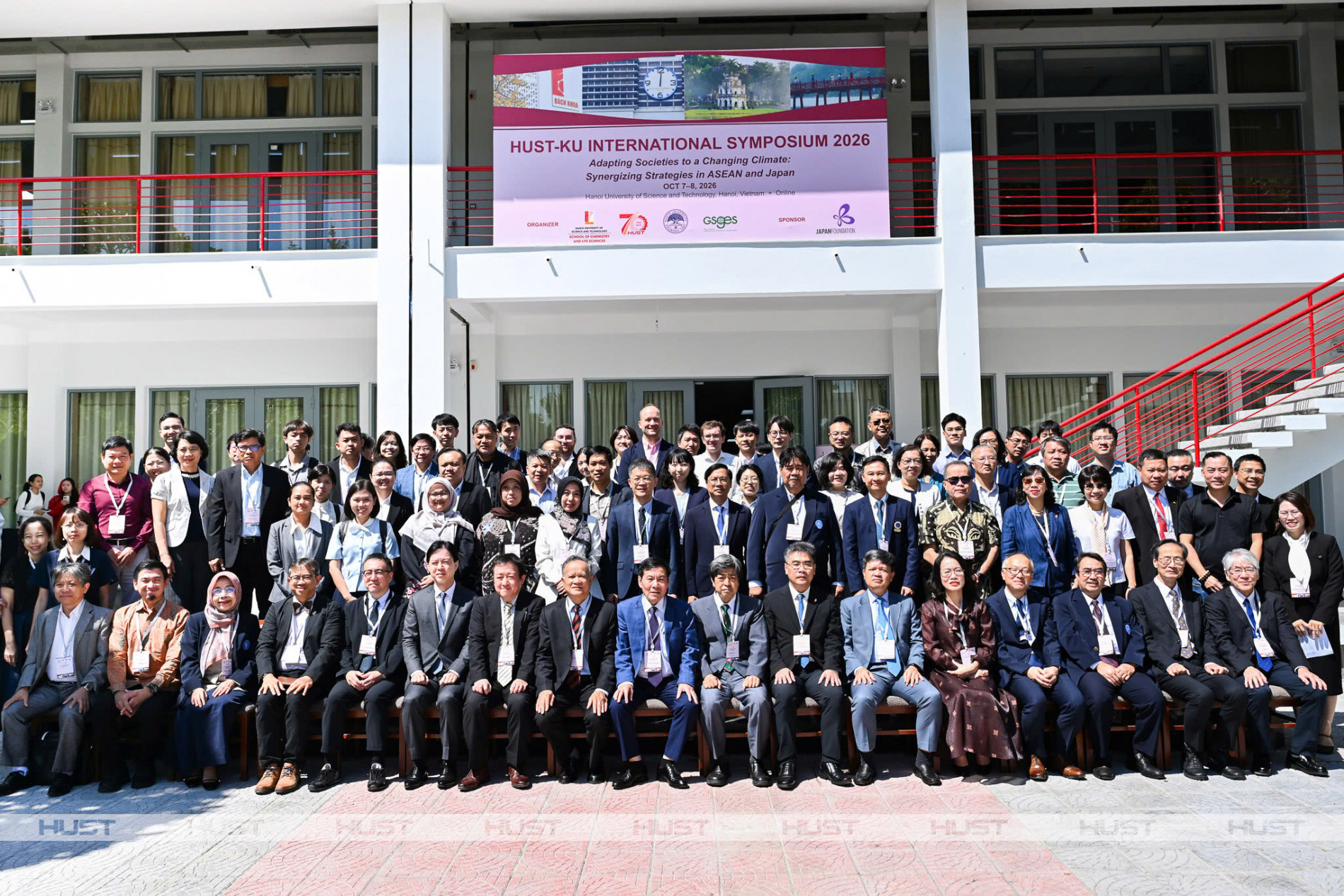
Collaborating to Build a "Living Lab" for Climate Adaptation
Delivering the opening remarks, Assoc. Prof. Huynh Dang Chinh, Vice President of HUST, emphasized the significance of the conference against the backdrop of HUST's 70th anniversary. He noted that throughout its seven decades of development, international cooperation has always been a vital factor shaping HUST's value and standing.
The cooperative relationship between HUST and Kyoto University (Japan) serves as a prime example. Scientists and faculty from both universities have implemented numerous collaborative activities in interdisciplinary education and research, establishing a foundation to further expand cooperation in tackling global issues.
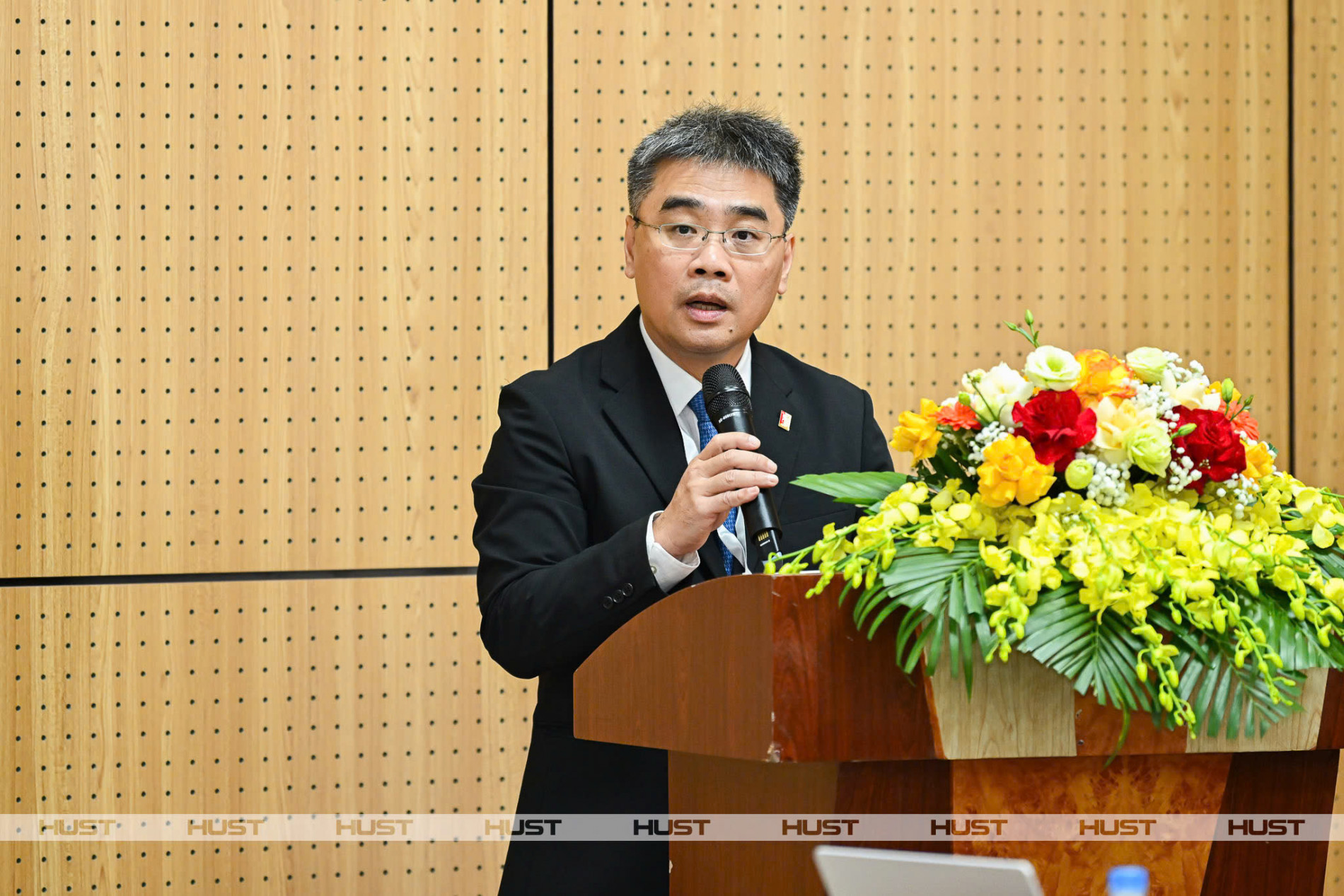
In this context, the connection between Japan and ASEAN becomes even more meaningful, given the diverse natural, socio-economic conditions, and varying vulnerability levels of nations in the region. Assoc. Prof. Huynh Dang Chinh hopes this connection can transform the region into a "living lab" for climate change adaptation—a place where ideas are developed, tested, and translated into practical solutions.
Echoing this message, Assoc. Prof. Chu Ky Son, Dean of the School of Chemistry and Life Sciences at HUST, stated that the conference program was designed to maximize interaction, ranging from thematic lectures by experts and policymakers to poster presentations, professional discussions, and international research projects.
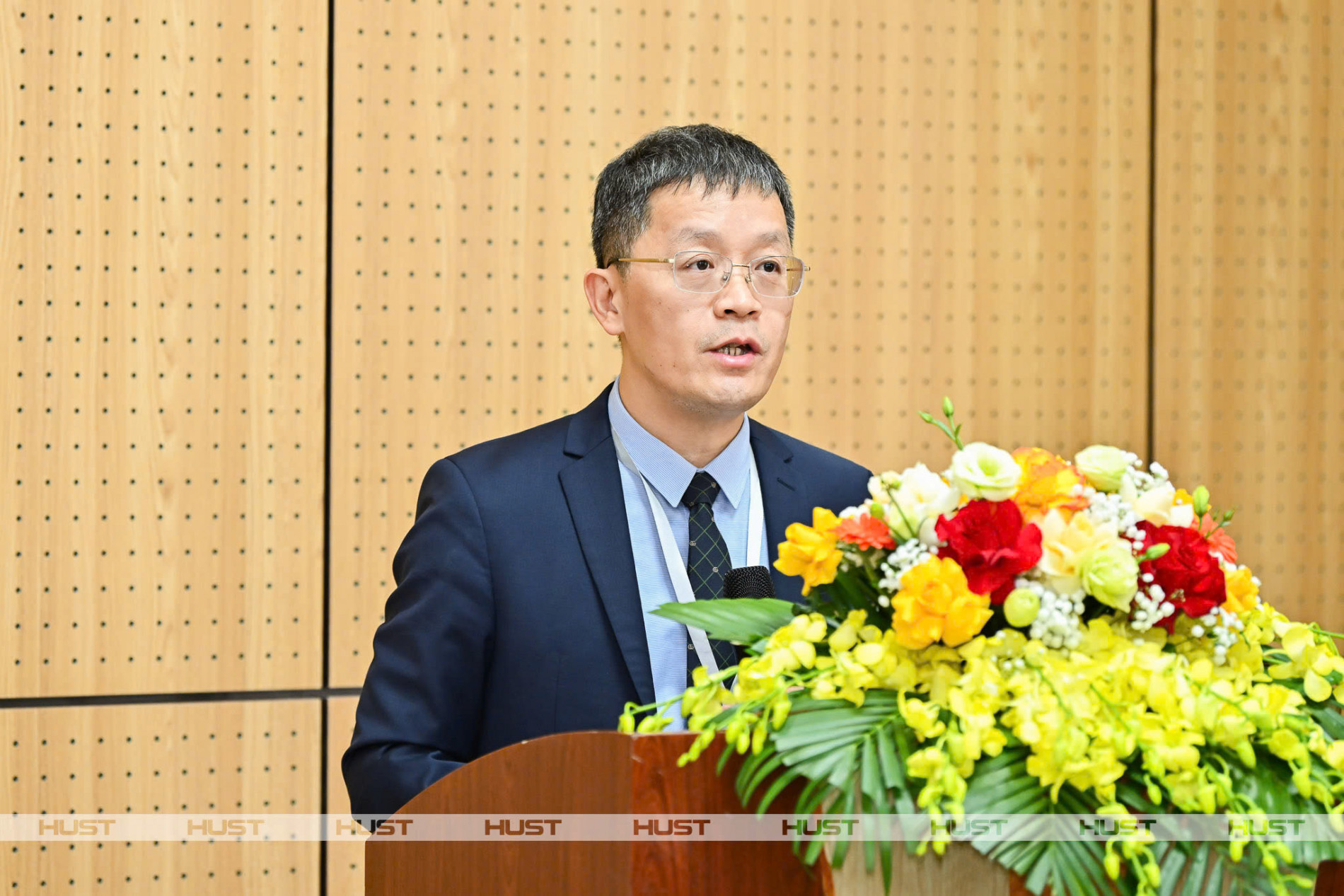
"The challenge posed by climate change is immense, but the professional capacity, passion, and solidarity of scientists bring great hope." The Dean of the School of Chemistry and Life Sciences expects the conference to be not just a venue for sharing research outcomes, but also a catalyst for forming specific projects, partnerships, and actions toward a sustainable future.
Climate Change is No Longer Just an Environmental Science Story
Representing the partner institution, Prof. Chihiro Tanaka, Dean of the Graduate School of Global Environmental Studies (GSGES) at Kyoto University, stated that Vietnam is a location of special significance for a climate adaptation conference.
With a long coastline and two major deltas—the Red River Delta and the Mekong Delta—Vietnam is directly confronting impacts such as sea-level rise, increasingly severe storms, and flooding. These challenges demonstrate that climate adaptation cannot be approached from a single discipline.
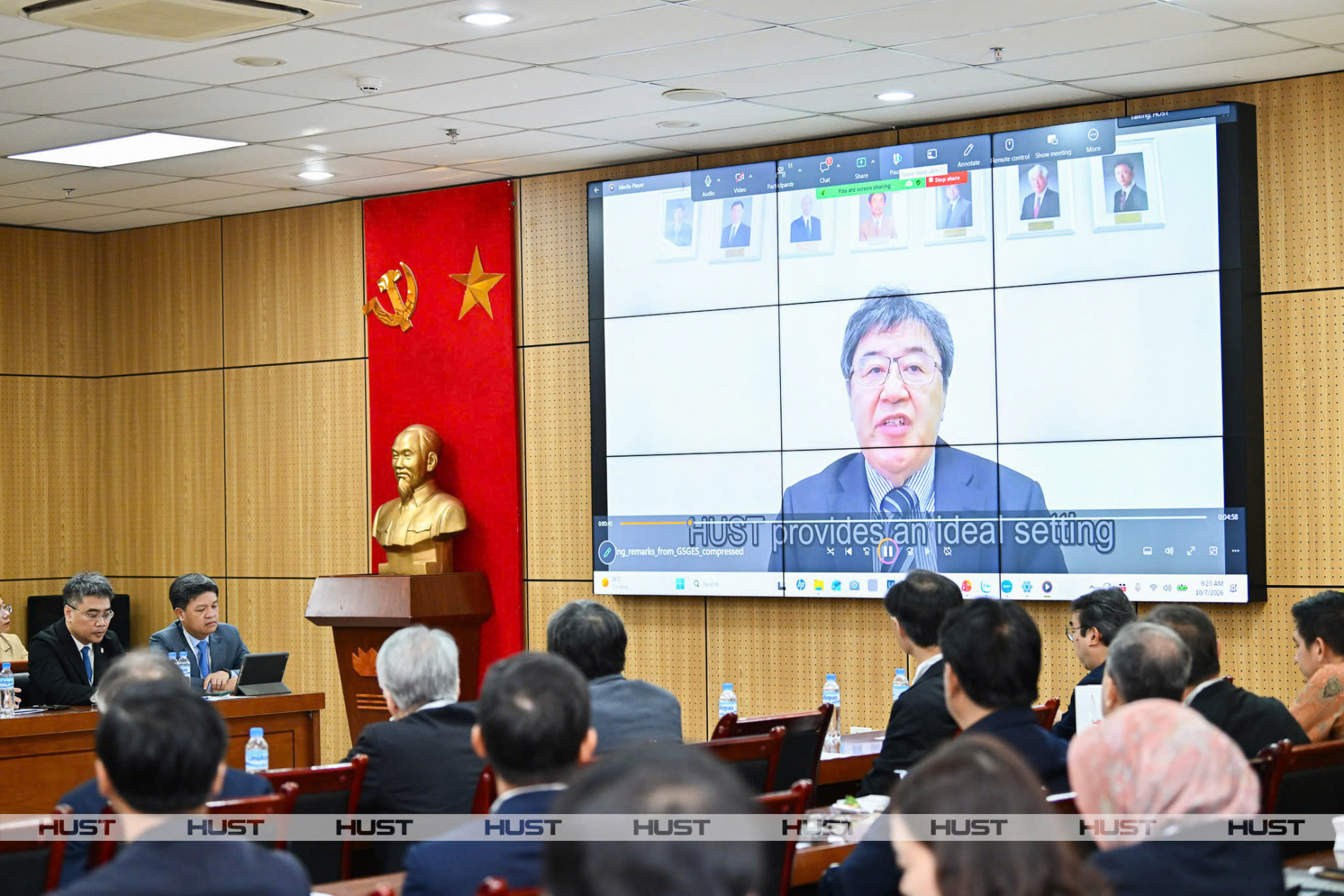
Prof. Chihiro Tanaka also specifically emphasized the role of young researchers and students. Accordingly, the fresh ideas and perspectives of the younger generation will help shape the future of environmental research in the region. The poster sessions, discussions, and networking spaces within the conference framework are expected to create further opportunities for these ideas to develop into concrete collaborative relationships.
Representing the Japan Foundation in Vietnam, Norihiko Yoshioka, Director of JFVN, highlighted a crucial aspect: Climate change is not simply an environmental issue but a systemic challenge to society.
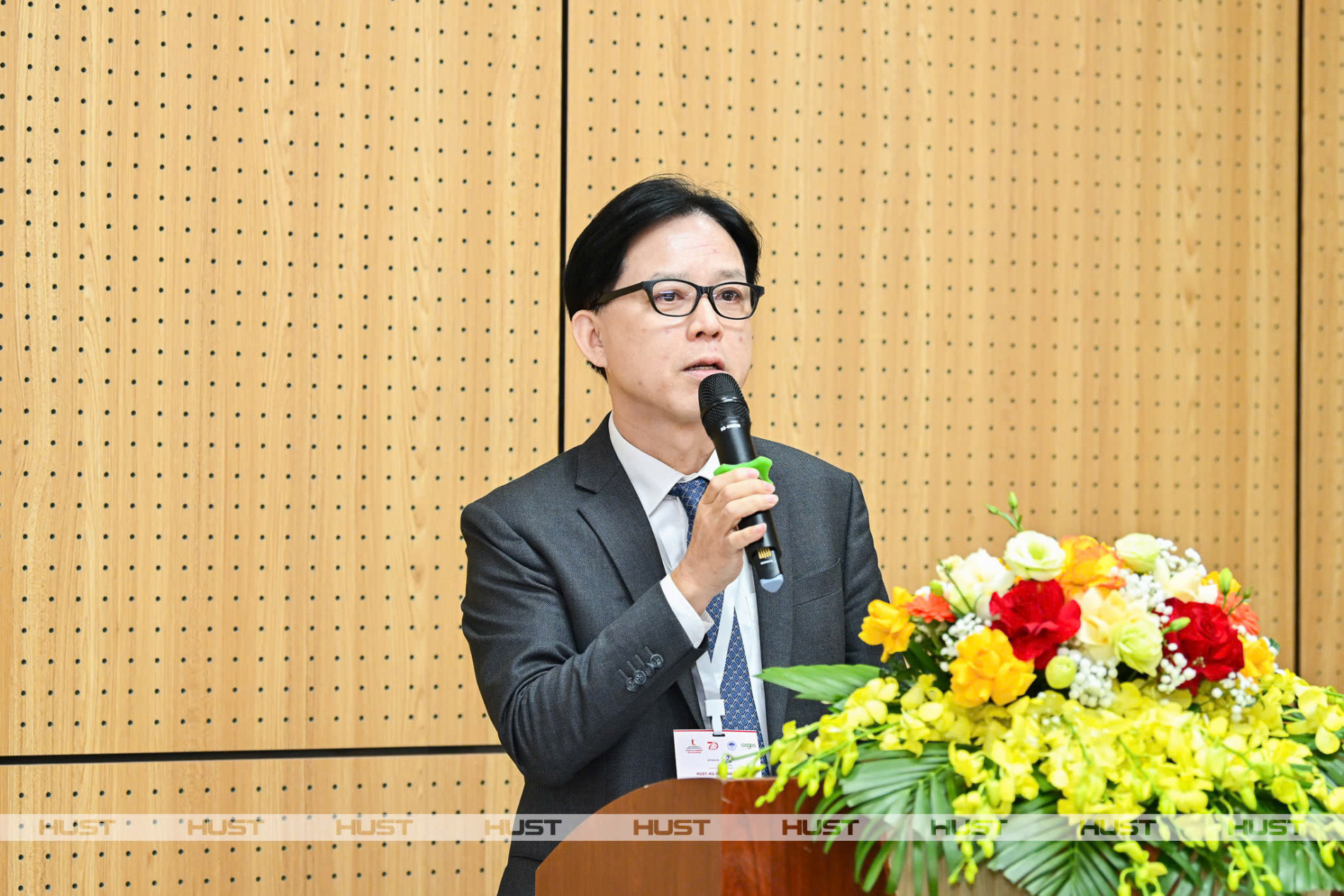
The Japan Foundation representative also highly regarded the foundational relationship between HUST and Kyoto University, asserting that sustainable international cooperation is built not only between institutions but also upon trust, personal relationships, and an academic history nurtured across multiple generations. This is precisely the spirit of the Japan-ASEAN Global Partnership program supported by JFVN, which aims to build multi-layered cooperative networks, strengthen trust, and develop the next generation of leaders in Japan and ASEAN.
From Scientific Knowledge to Adaptation Strategies and Actions
The spirit of interdisciplinary connection was vividly demonstrated during the special lecture session, moderated by Prof. Huynh Trung Hai, Dean of the School of Materials Science and Engineering at HUST.
Three lectures focused on diverse approaches to the impacts of climate change and adaptation requirements.
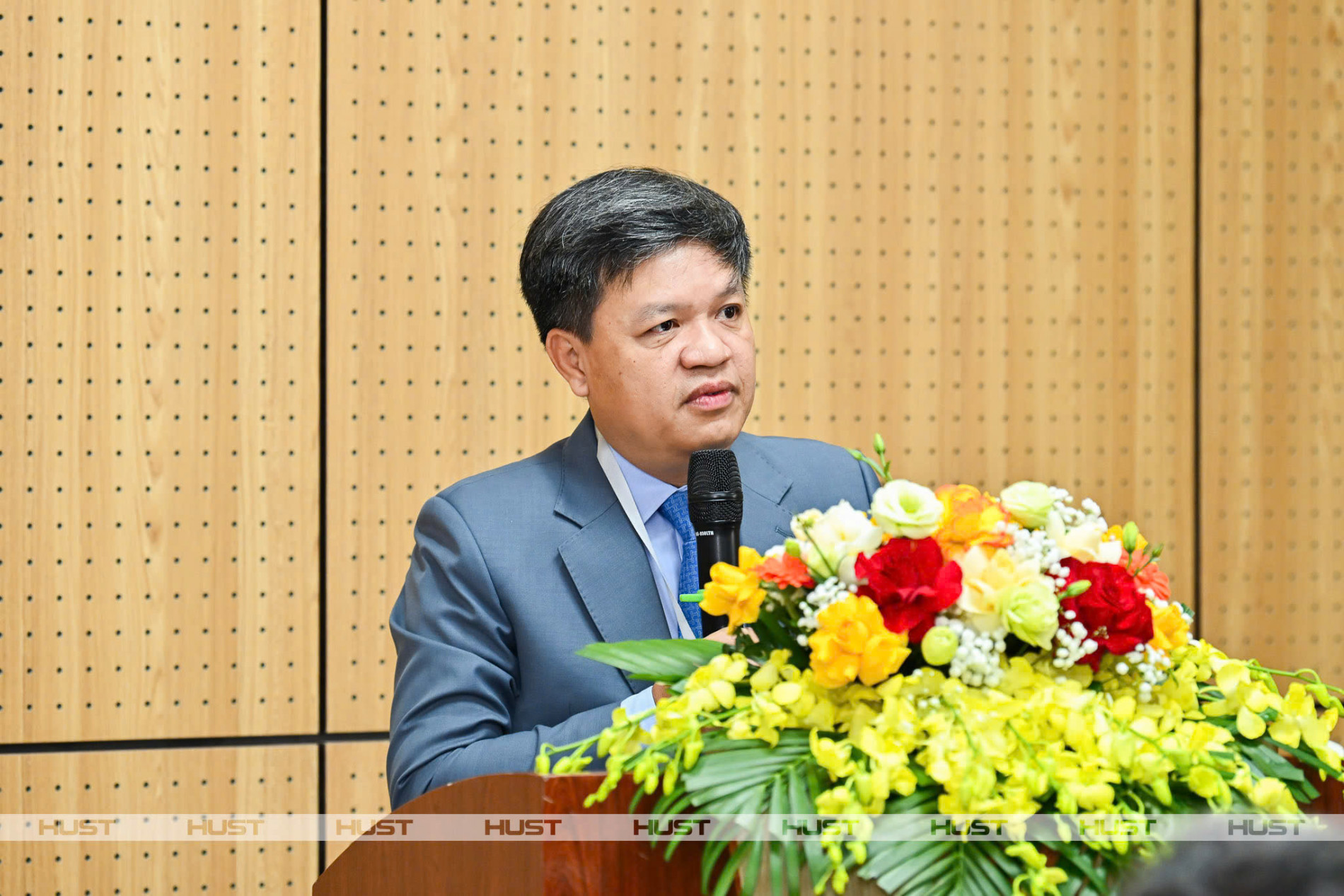
Dr. Ta Dinh Thi, Vice Chairman of the National Assembly's Committee on Science, Technology, and Environment, focused on the policy perspective with a lecture titled "Vietnam's policies for building a climate-resilient society, a circular economy, and net zero." He provided an overview of Vietnam's direction in building a climate-resilient society, developing a circular economy, and striving toward net-zero emissions.
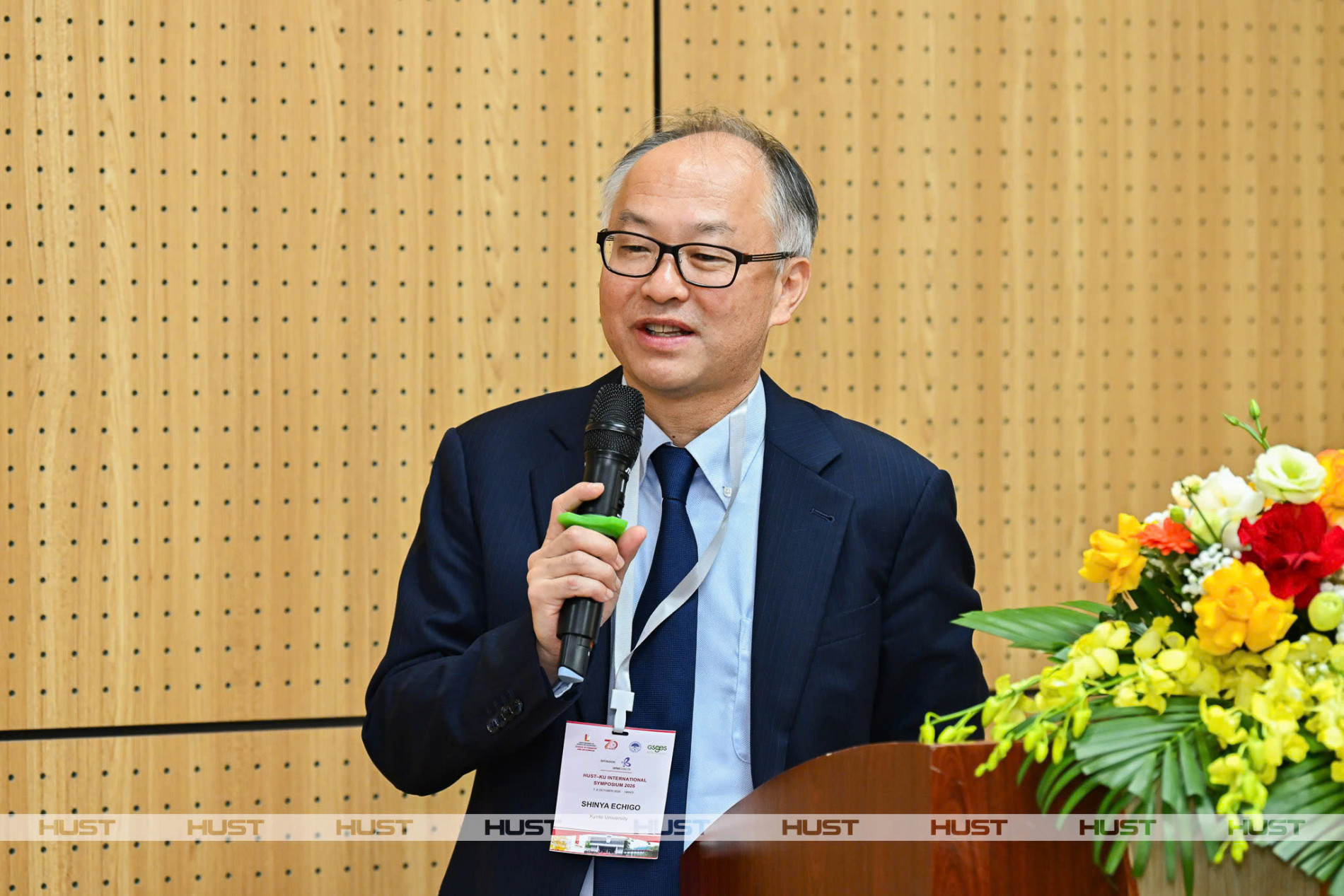
From a health and environmental perspective, Prof. Shinya Echigo from Kyoto University presented "Environment and Health under Climate Change," broadening the discussion from ecosystem fluctuations to consequences for human health.
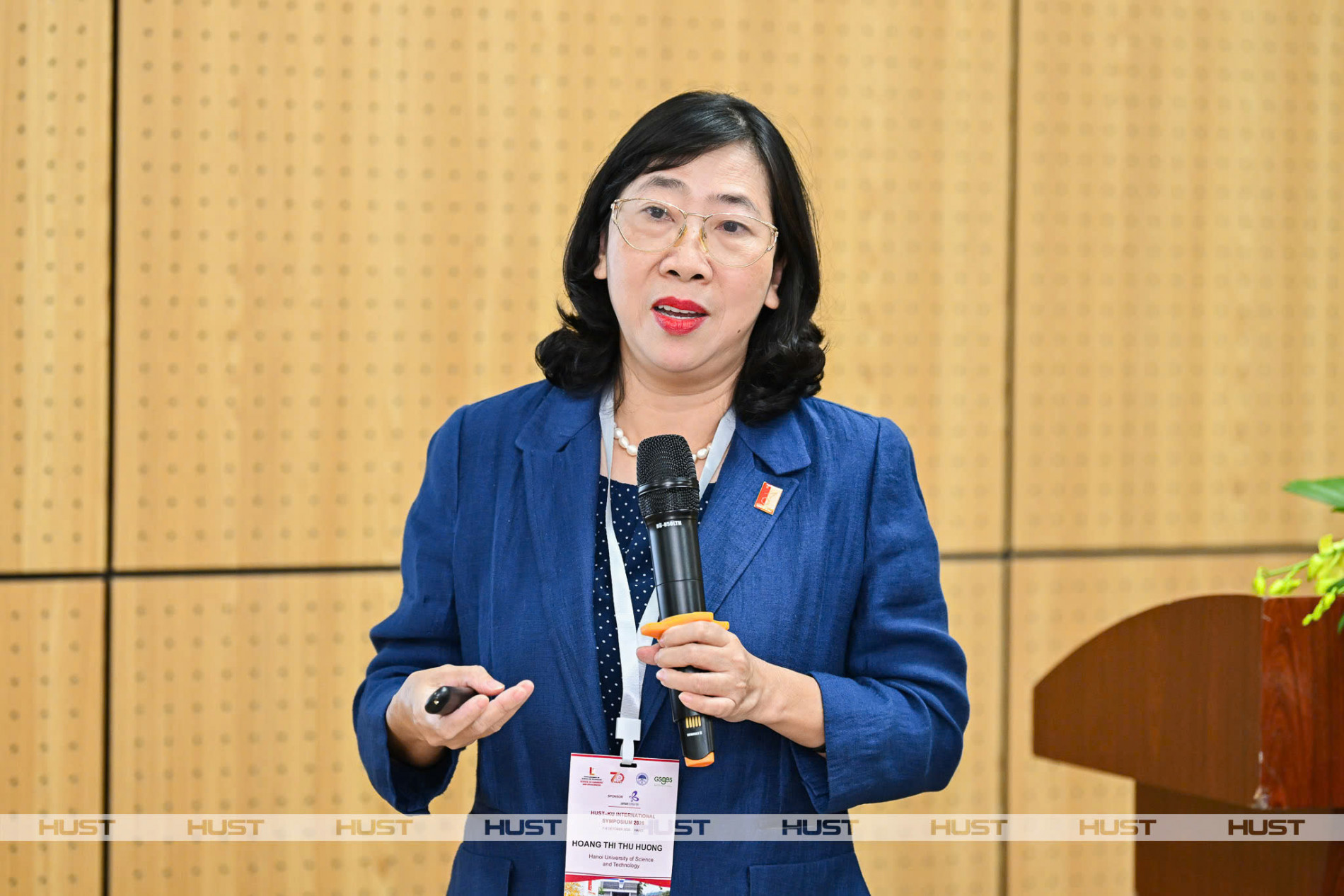
Meanwhile, Assoc. Prof. Hoang Thi Thu Huong from the School of Chemistry and Life Sciences presented the topic "Toxic Metals and Tropical Crustaceans: A Climate Change Challenge," raising the issue of the link between climate change, the environment, and toxic metals in tropical ecosystems.
|
|
|
The group discussion themed "Social Adaptation to Climate Change: Integrating Strategies in ASEAN and Japan" gathered scholars from Japan, Vietnam, Indonesia, the Philippines, Thailand, and Cambodia. The conference also dedicated a separate session for partners to identify new collaborative possibilities.
Built on the foundation of nearly two decades of HUST-Kyoto University cooperation and an extensive partner network across ASEAN, the 2026 conference is expected to not only generate academic exchange but also pave the way for joint research projects, new partnerships, and solutions capable of contributing directly to building a sustainable ASEAN-Japan region that is more resilient to climate change.
Photos: Minh Duong
Author: Nguyễn Thu Huệ
Newer articles
Older articles
-
 Myanmar Students Experience Global Higher Education at Hanoi...
-
 Party General Secretary and State President To Lam Presents...
-
 Over 180 Outstanding Products Relive the 70-Year Science and...
-
 Assoc. Prof. Huynh Quyet Thang Receives the "Outstanding...
-
HUST and Kyoto University Advance Interdisciplinary...
-
 "The Blank Canvas" and the Story of the Valedictorian Who...
-
 QMFS 2026: Expanding Scientific Connections for a Safe and...
-
 AU-HUST Cooperation Center was Launched at Hanoi University...
-
 Solving the Market Challenge for Rice-Based Protein
-
 Asahi Glass Foundation Continues to Fund Six Scientific...