HUST Proposes Sandbox Pilot for Tech Spin-offs
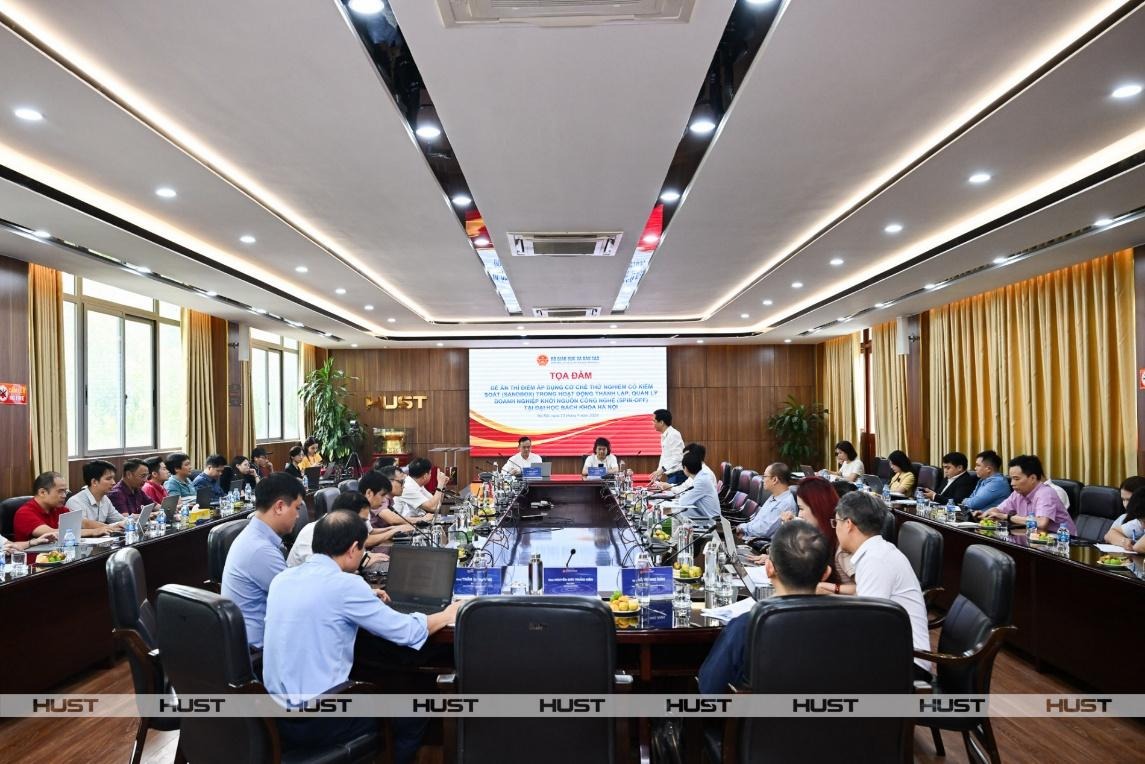
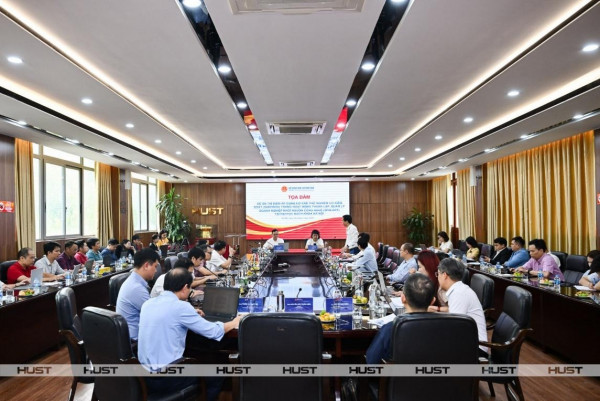
On September 11, the Department of Science, Technology and Information under the Ministry of Education and Training coordinated with HUST to host a seminar to gather feedback on a pilot project proposing a sandbox mechanism for establishing and managing tech spin-offs at HUST.
The seminar was attended by representatives from the Ministry of Education and Training, the Ministry of Science and Technology, the Ministry of Finance, the Hanoi Department of Science and Technology, alongside experts, scientists, and representatives from numerous domestic higher education institutions.
Clearing Bottlenecks to Bring Research to Market
In his opening remarks, Dr. Tran Nam Tu, Deputy Director General of the Department of Science, Technology and Information (Ministry of Education and Training), noted that over the past two years, the institutional system regarding science, technology, innovation, and digital transformation has undergone significant changes. The current phase demands a strong shift from institutional building to implementation, particularly at higher education institutions.
"HUST's proposal is a pioneering project. If the obstacles in the mechanism for establishing and managing tech spin-offs can be removed, this model will not only be significant for HUST but could also set a precedent for other higher education institutions," Dr. Tu assessed.
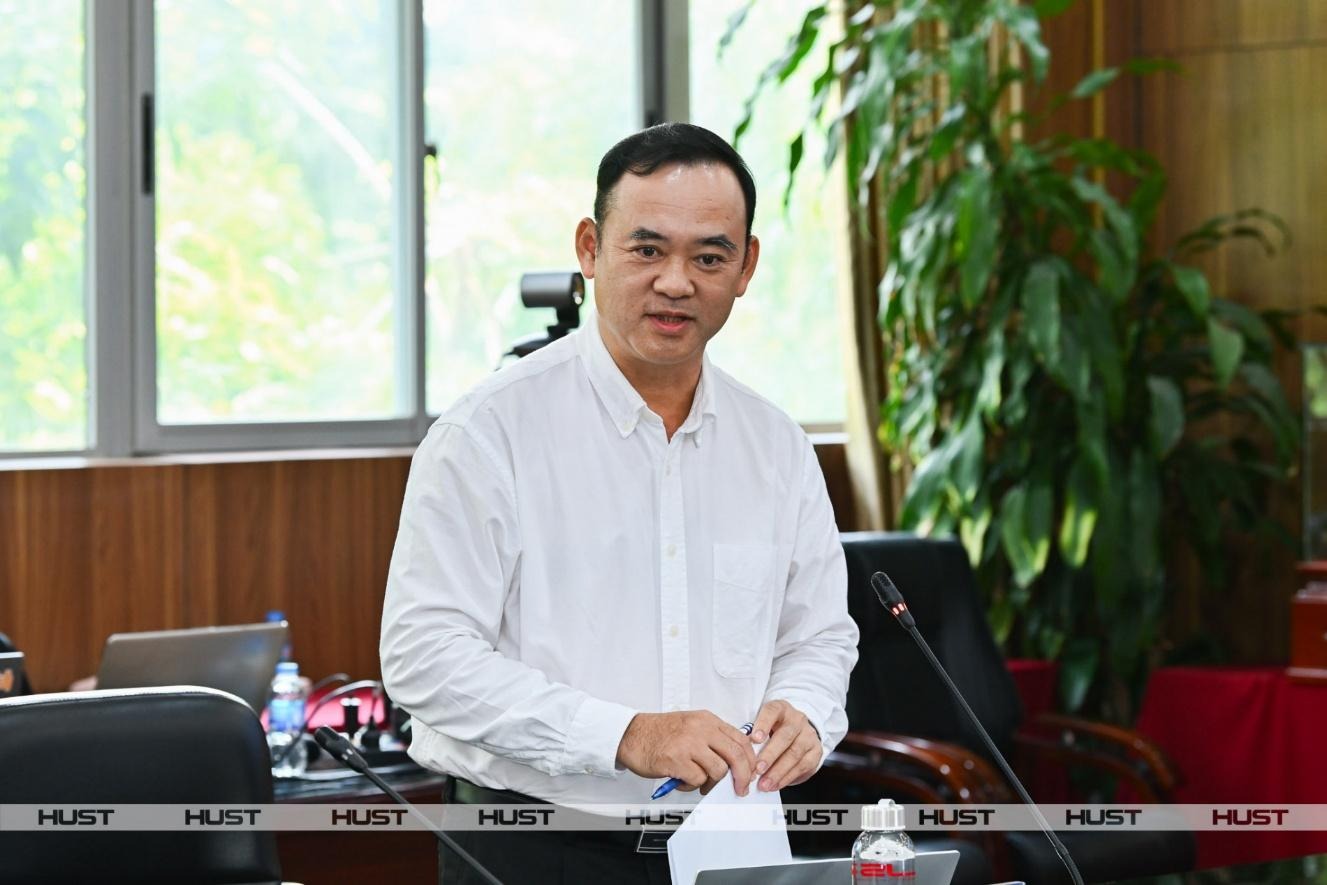
Representing the project's lead institution, Assoc. Prof. Ta Hai Tung, Vice President of HUST, emphasized that forming enterprises to exploit a university's intellectual assets is a crucial mission for a technical and technological university.
Drawing from research, product development experience, and surveys of spin-off models at Tsinghua University, Peking University, and the IITs in India, the HUST Vice President argued that a simple technology transfer model is insufficient to fully realize the value of research.
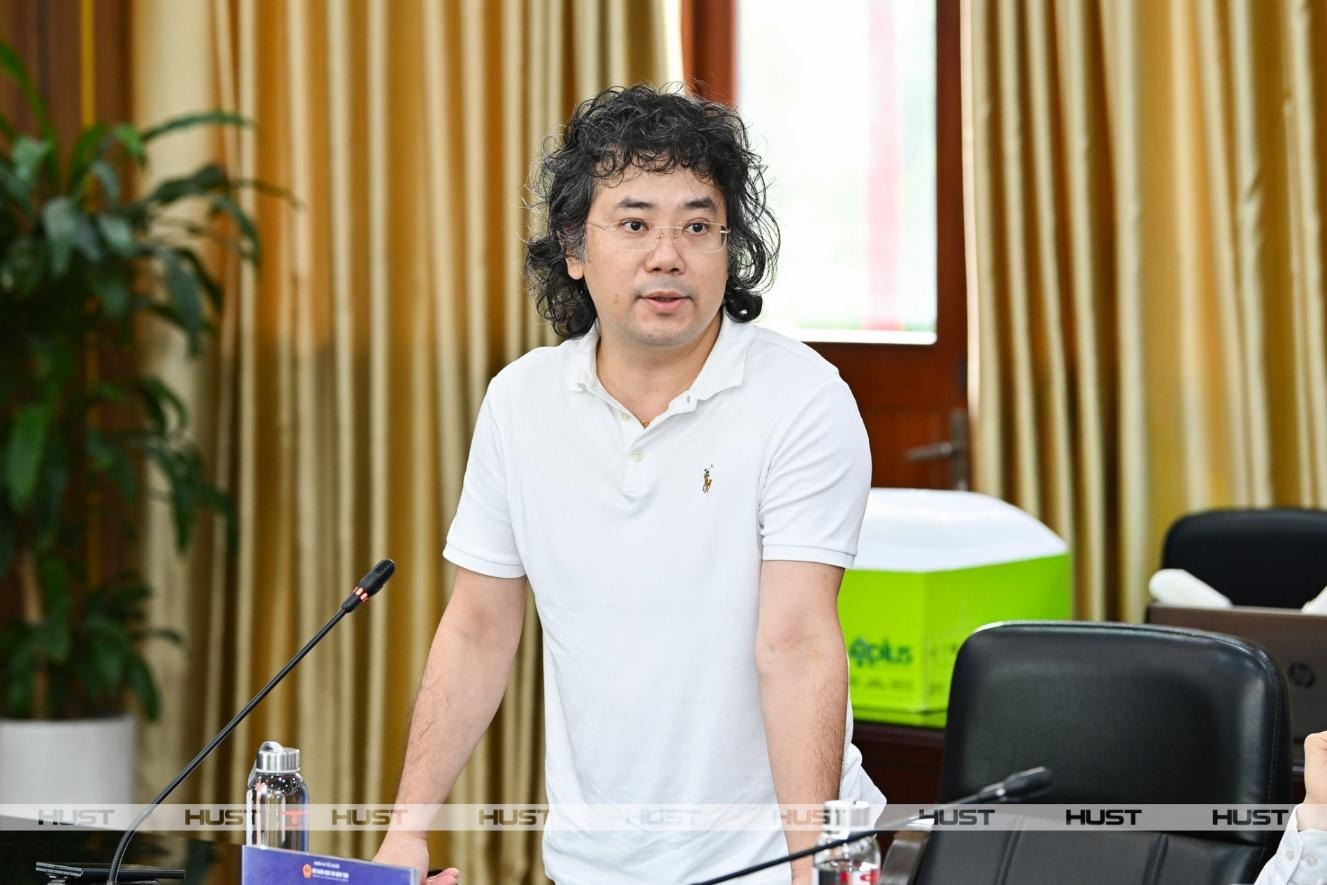
According to Assoc. Prof. Ta Hai Tung, if these bottlenecks are cleared, the spin-off model at HUST could create a ripple effect across other higher education institutions, contributing to the realization of goals regarding the commercialization of research outcomes and the development of science and technology enterprises in the spirit of Resolution 57.
Proposing Six Sandbox Mechanisms
At the seminar, Dr. Truong Cong Tuan, Director of the Student Innovation and Entrepreneurship Center at HUST, presented the core contents of the project.
According to statistics, HUST currently owns more than 200 patents. The project sets a goal that, if approved, around 15 spin-off enterprises could be formed within two years.
The project defines key viewpoints: the State invests to create knowledge and promote knowledge to generate value; maximizing commercialization opportunities rather than maximizing the IP sale price; valuing long-term gains; and managing via transparent processes rather than solely based on outcomes.
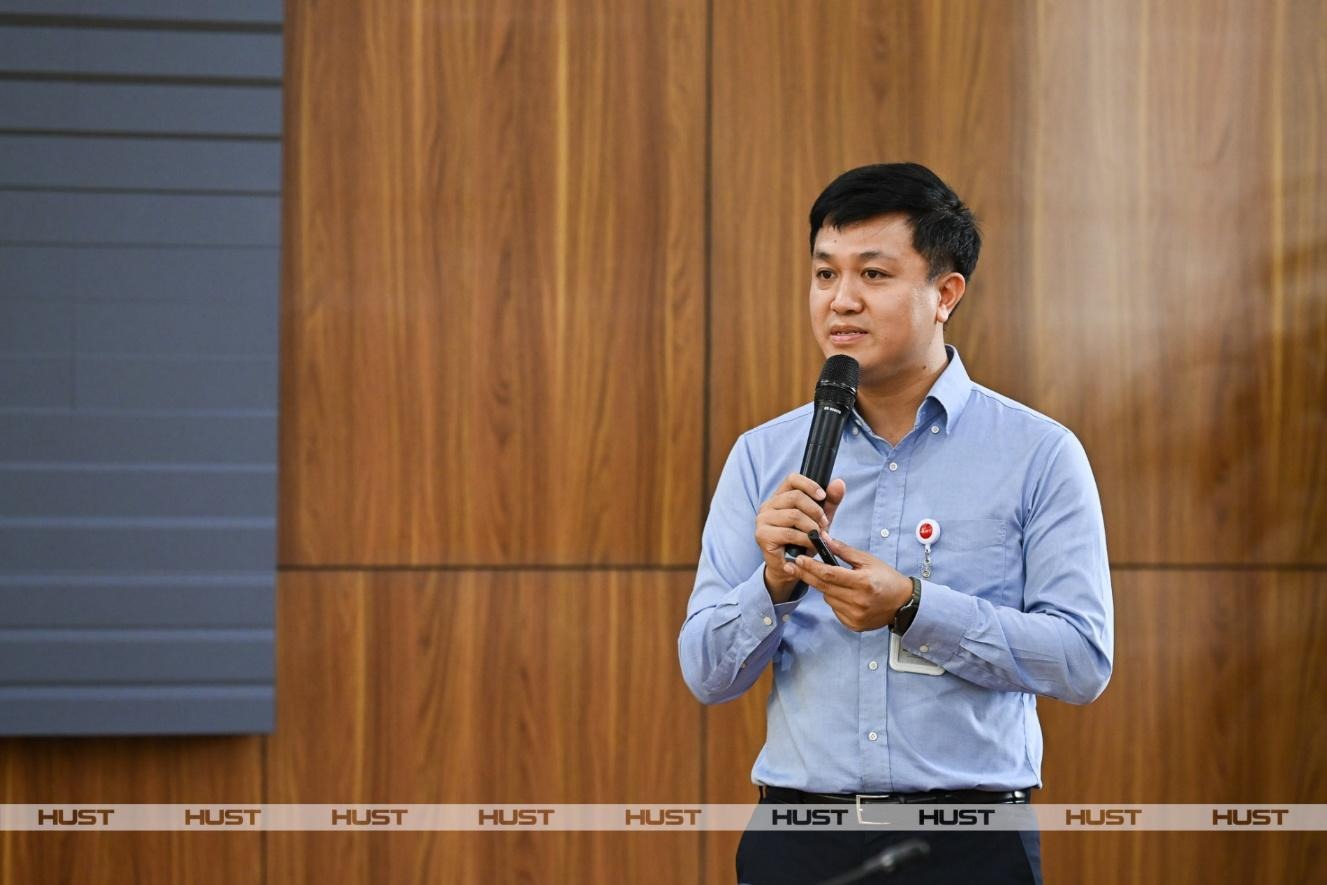
Alongside the licensing mechanism, the project identifies six contents to be included in the testing mechanism: Standard Deals for licensing transactions; a mechanism for public employees to hold concurrent positions and temporarily suspend some duties; controlled use of public facilities and equipment; independent appraisal and confirmation of Safe Harbor compliance; controlled risk acceptance in commercialization; and flexible divestment linked to price control and conflict of interest.
According to Dr. Truong Cong Tuan, the project's ultimate goal is not just to create more businesses, but to bring research outcomes into practice, attract private and venture capital, form a technology market, attract and retain top scientists, elevate HUST's status, and generate long-term revenue for reinvestment.
Refining the Project: Clearly Distinguishing "Pilot" and "Sandbox"
Based on the presentations, the panel discussion and in-depth session moderated by Dr. Tran Nam Tu and Assoc. Prof. Ta Hai Tung focused on the proposed mechanisms, particularly Standard Deals, Safe Harbors, mechanisms for public employees to participate in enterprises, public asset utilization, intellectual property valuation, and divestment methods.
 |
 |
 |
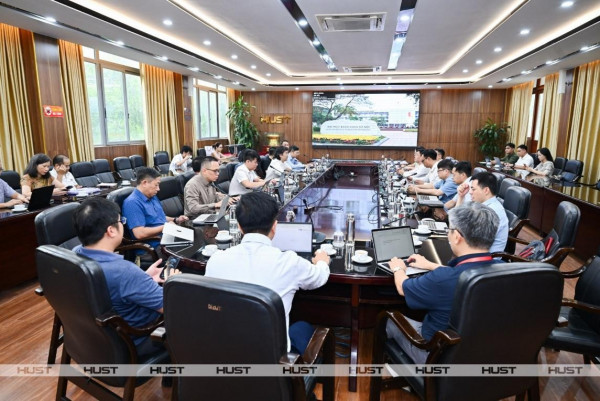
Delegates contributing their opinions at the seminar
Concluding the seminar, Dr. Tran Nam Tu stated that the next crucial step is to clearly delineate which contents can be implemented under current laws and which truly need to be put into the sandbox. The project needs to review each item to determine the "pilot" components versus those requiring new testing mechanisms.
From this approach, Dr. Tu requested that HUST coordinate with relevant units to continue reviewing the legal basis, clarify approval authority, and specify how international models can be adapted to Vietnamese conditions. The project also needs to identify specific products and spin-offs that can be deployed first, thereby transforming the sandbox from a policy framework into a practically verifiable mechanism.
Dr. Tran Nam Tu also requested units within the Ministry of Education and Training and the Ministry of Science and Technology to participate in reviewing and refining the project. He noted this is not exclusively HUST's endeavor, but a shared issue across the higher education system and the innovation ecosystem.
Based on the seminar's feedback, HUST will continue collaborating with relevant agencies to finalize the project, specifically clarifying the "pilot" and "sandbox" components, perfecting the legal basis, identifying specific deployment cases, and preparing dossiers for submission to competent authorities.
If approved and implemented, the project will not only open more space for HUST scientists to bring research to market but could also provide a test model to perfect policies for developing spin-offs at higher education institutions nationwide.
Photos: Minh Duong
Author: Nguyễn Thu Huệ
Newer articles
Older articles
-
 HUST Student Wins Third Prize at the 2nd Japanese Speech...
-
 HUST Proposes Sandbox Pilot for Tech Spin-offs
-
 HUST and the Hanoi Department of Science and Technology...
-
 The Educator Who Helped Lay the Foundation for the...
-
 Paid Internship Opportunities in Japan for Students in the...
-
 HUST Welcomes Nearly 10,000 New Cohort 71 Students, Opening...
-
 HUST Business Analytics Graduate Secures AI PhD Scholarships...
-
 HUST students: Using English as a “passport” to the world
-
 The HUSTer and His Aspiration to Connect Traditional...
-
 Committee on Science, Technology and Environment Signs a...