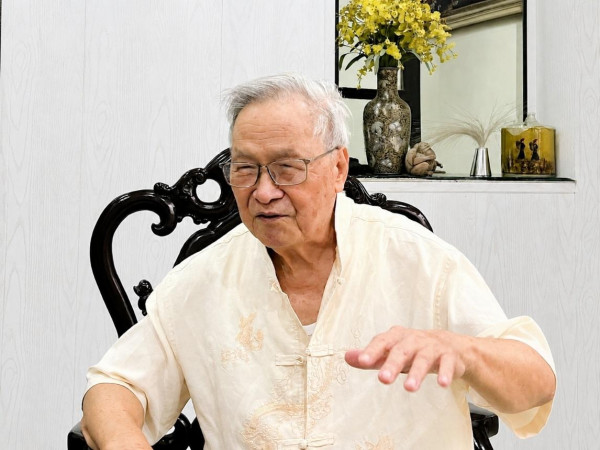
The Educator Who Helped Lay the Foundation for the Electrical Engineering Field and His Dedicated Heart for HUST
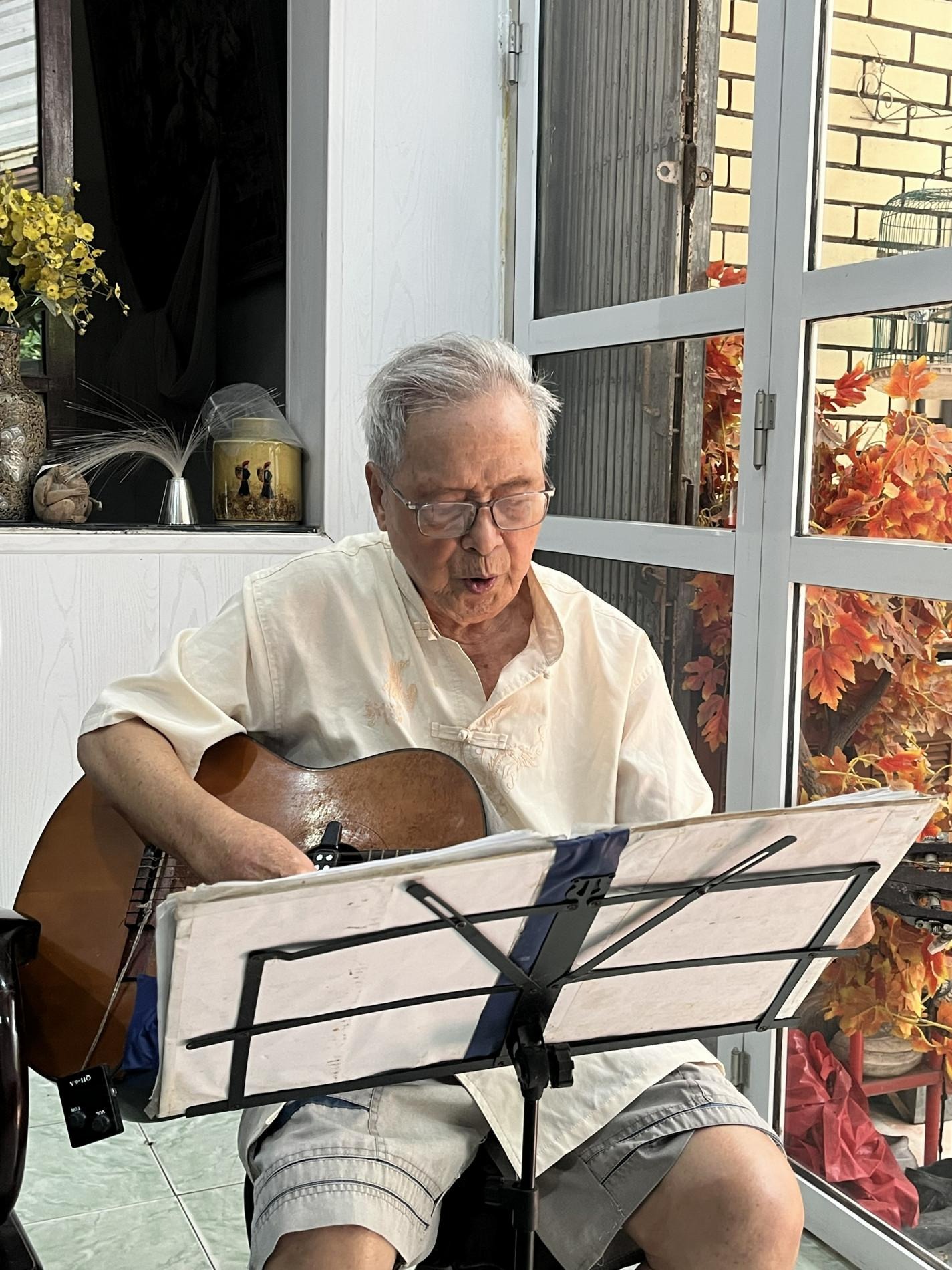
A Fiery Era and Songs That Resonate Through the Years
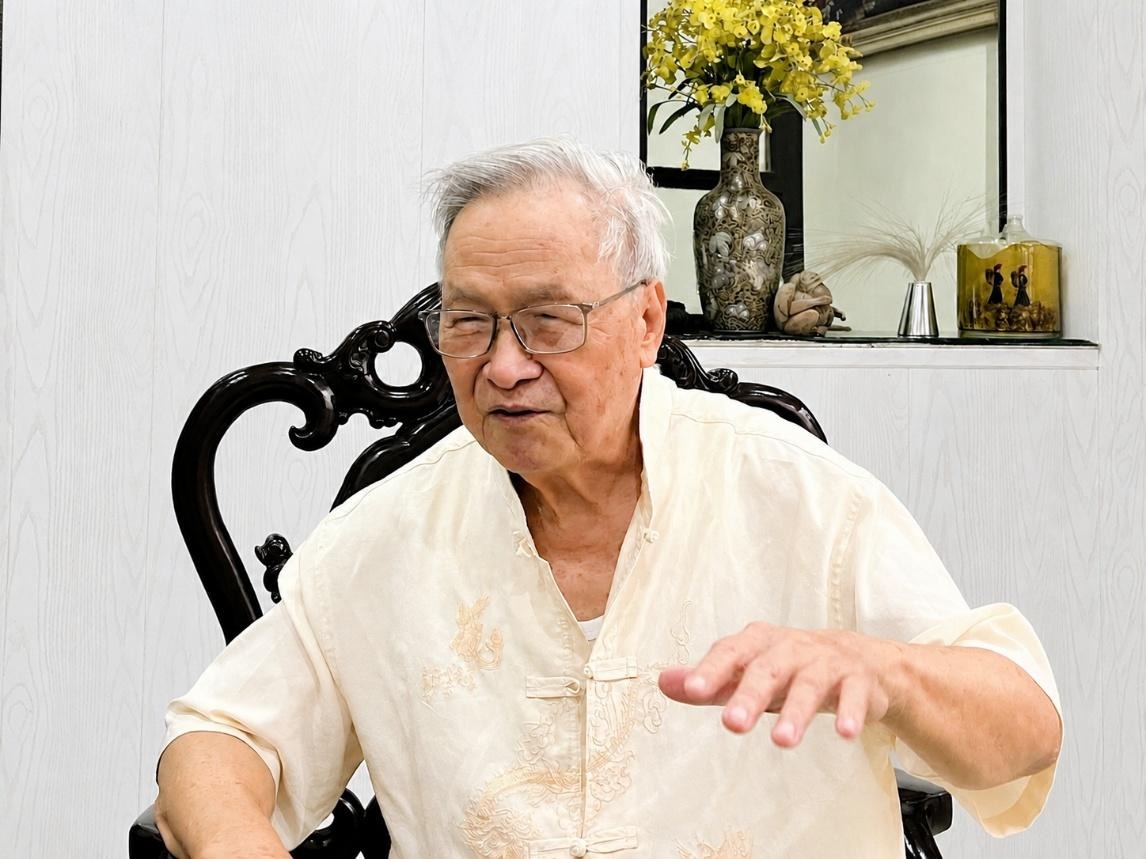
Assoc. Prof. Vu Gia Hanh was born in 1929 in Moc Giap Nhat, an ancient village situated along the gentle To Lich River in former Thanh Tri District, Hanoi. His family had been deeply connected to this land for five generations. The village's former rice fields have now become the bustling Royal City urban area.
In his youth, he grew up under the wing of a scholarly, academic family. His grandfather was a highly respected Confucian scholar in the region. His father, Vu Gia Tuong, worked at the Department of Agriculture, earning an exceptionally high salary of sixty Indochinese piastres a month in the 1930s—equivalent to the value of two tons of paddy at the time.
Due to the nature of his father's work, his family had to move across various regions. He lived in Nha Trang for three years when he was just a toddler, followed by a period studying at the Bounan school in Hai Phong. In 1940, the family permanently relocated back to Hanoi, where young Vu Gia Hanh studied at the prestigious Thang Long School. There, he was directly taught History and Geography by teacher Vo Nguyen Giap. Teacher Giap's lectures on patriotism sowed the first revolutionary seeds in the young boy's soul.
In 1945, at just 15 years old, Vu Gia Hanh eagerly joined the Hoang Dieu National Salvation Youth Union. In the dead of night, he and his comrades would sneak out to paste revolutionary leaflets on the tram cars running along the routes through Giap Nhat village. His aunt, Vu Thi Tuc, a resourceful merchant at Cho Gioi (the Flea Market), managed to buy a brand-new Japanese rifle along with a 30-round magazine from deserting Japanese soldiers. He carefully hid that rifle in the attic of his house.
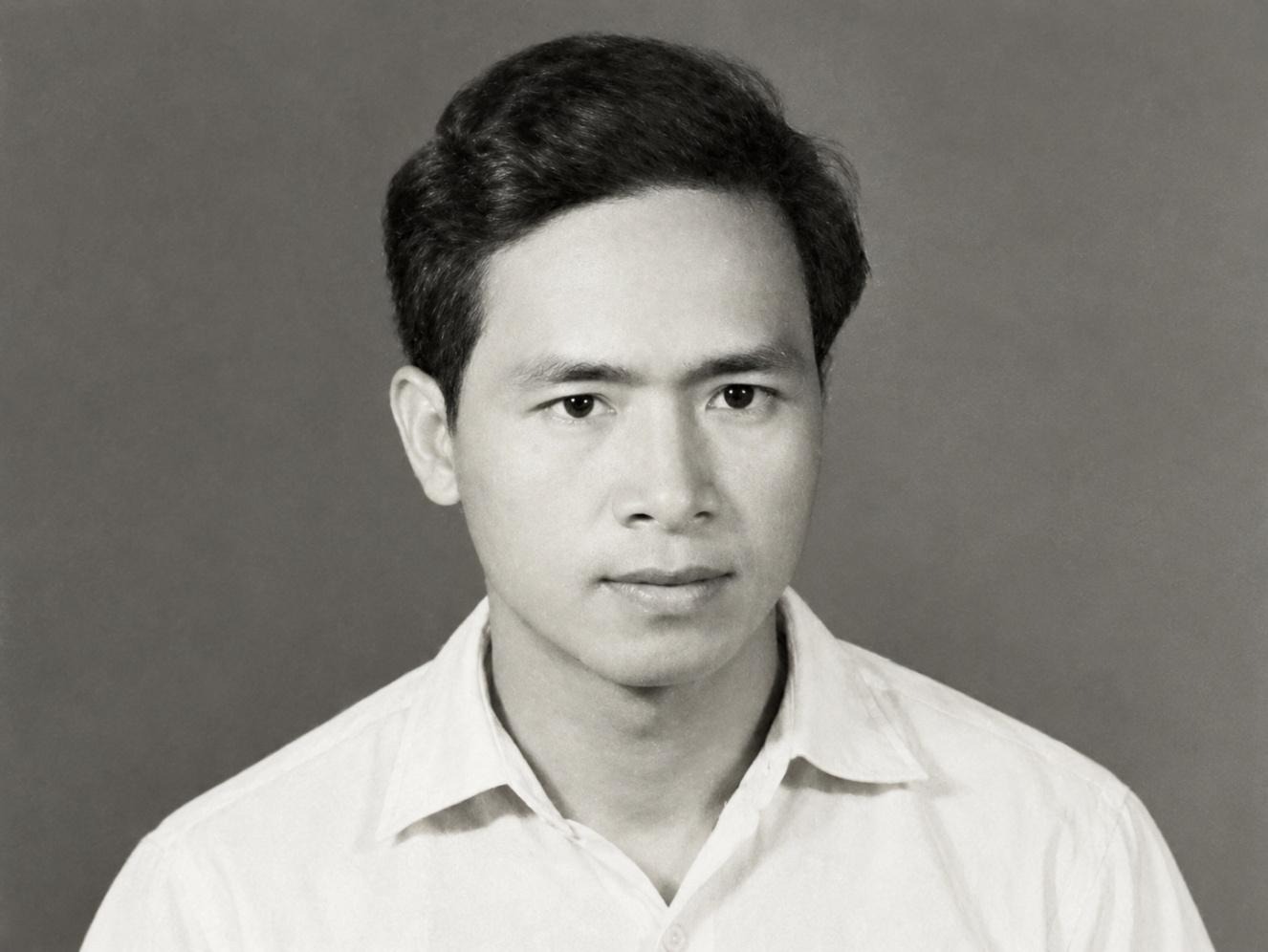
On the night of December 19, 1946, the gunfire of the national resistance erupted. Witnessing the green flashes of artillery shells repeatedly fired into the inner city from the Lang Fort, young soldier Vu Gia Hanh decided to set aside his studies and commit himself to the nation's resistance war. Thanks to his agility and resourcefulness, he was recruited as a special dispatch rider for the General Headquarters Office of the 500th Battalion, under the direct command of General Vo Nguyen Giap. The duty of an express courier was incredibly dangerous. Carrying a satchel containing secret documents stamped with a red arrow, he crossed forests and waded through streams alone across perilous occupied territories to deliver military orders to Military Zones Two, Three, and Four.
In 1948, during the early stages of the resistance against the French, he was sent to Phu Tho to study at the Dao Gia Resistance High School (the first specialized high school of the Democratic Republic of Vietnam, established and evacuated to the Dao Gia tea-growing region in Thanh Ba district, Phu Tho), learning under renowned professors like Ngo Thuc Lanh.
Graduating high school in 1950, he passed the entrance exam for the 4th cohort of the Resistance Medical University, headed by Prof. Ho Dac Di. Just one month into his studies, a general mobilization order was issued. He packed his rucksack and joined the army, serving in Military Hospital 3 as an anesthesia assistant for field operating rooms deep in the Yen The forest during the Hoang Hoa Tham campaign.
In August 1951, the campaign ended. Prof. Ho Dac Di issued a summons calling for students proficient in mathematics to return to Chiem Hoa, Tuyen Quang, to join the School of Basic Science founded by Prof. Le Van Thiem. To ensure safety, the State decided to relocate the school to the Central Campus in Guangxi (Nanning, China). He and five robust friends were tasked with transporting textbooks and materials by waterway. They went into the forest, chopped bamboo to weave large rafts, and navigated through treacherous rapids during the flood season as the water surged into the Lo River. That night, under the gentle autumn moonlight shimmering on the river's waves, the young souls loudly sang the heroic melody of the "Lo River Epic," a song that would accompany him throughout the years to come.
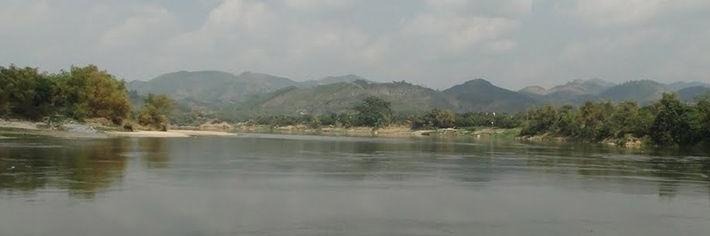
The journey to China continued with treks through forests and truck rides over Le A pass into Longzhou, eventually advancing toward Tam Hu, 10 kilometers from Nanning. Student life there was plagued by extreme shortages; temporary classrooms were built of bamboo in the open air, and scarce daily water had to be drawn from stagnant, mossy ponds and treated with alum.
After 2.5 years of excellent studies at the School of Basic Science, he was selected to pursue formal university education at Zhejiang University in Hangzhou. He quickly adapted to the Power Generation and Transmission major. There, he proactively requested to share a room with local students, sharing every meal and sleep, and participating in the labor movements of the host country's students.
Years of Laying Foundations and Dedication at HUST
Graduating as an outstanding engineer, while interning at major Chinese mechanical and electrical power plants, he received an urgent decision from the Ministry of National Education (now the Ministry of Education and Training) demanding his immediate return to Vietnam to teach at Hanoi University of Science and Technology. The young engineer Vu Gia Hanh set off for his homeland in March 1957, carrying grand ambitions for an autonomous electrical power industry.
Returning to the university during its nascent days, he faced countless difficulties. Facilities were poor, consisting of only four empty buildings designated A, B, C, and D, which were former French colonial dormitories. Tasked with establishing the Department of Power Generation and Transmission, he understood that teaching engineering with just white chalk and a blackboard would hardly yield practical results. He traveled extensively to factories in Hanoi, Hai Phong, and Nam Dinh to find and purchase old motors and discarded equipment. He brought those piles of scrap iron back, personally dismantling, repairing, and rewinding every electromagnetic coil to restore their technical functions.
In the dark basement of Building C—a place used during the Japanese occupation as a holding cell for patriotic dissidents—Vietnam's first electrical machine laboratory was completed through the sweat and intellect of HUST teachers and students. That self-made lab smoothly ran four basic experiments on alternating and direct current machines, serving the very first cohort of students (Cohort 1).
He will always remember the unexpected visit from Prime Minister Pham Van Dong late one evening in the basement of Building C. The Prime Minister emotionally advised: "It is highly commendable that you comrades built this laboratory with your own hands for teaching. In the future, with the help of allied countries like the Soviet Union, we will have more spacious and modern facilities, but this spirit of self-reliance you show today must always be preserved." That encouragement became a massive spiritual pillar for the teachers and students to overcome the fierce war of destruction that followed.
In 1963, he went to the Soviet Union as a graduate student at the Moscow Power Engineering Institute under the guidance of a famous academician. When he successfully completed his Candidate of Sciences (Ph.D.) dissertation in 1966, his Soviet mentor gifted him an entire set of highly intricate miniature electrical machine experimental models, along with its accompanying control load system and a set of specialized Russian textbooks, to bring back to Vietnam as visual teaching aids.
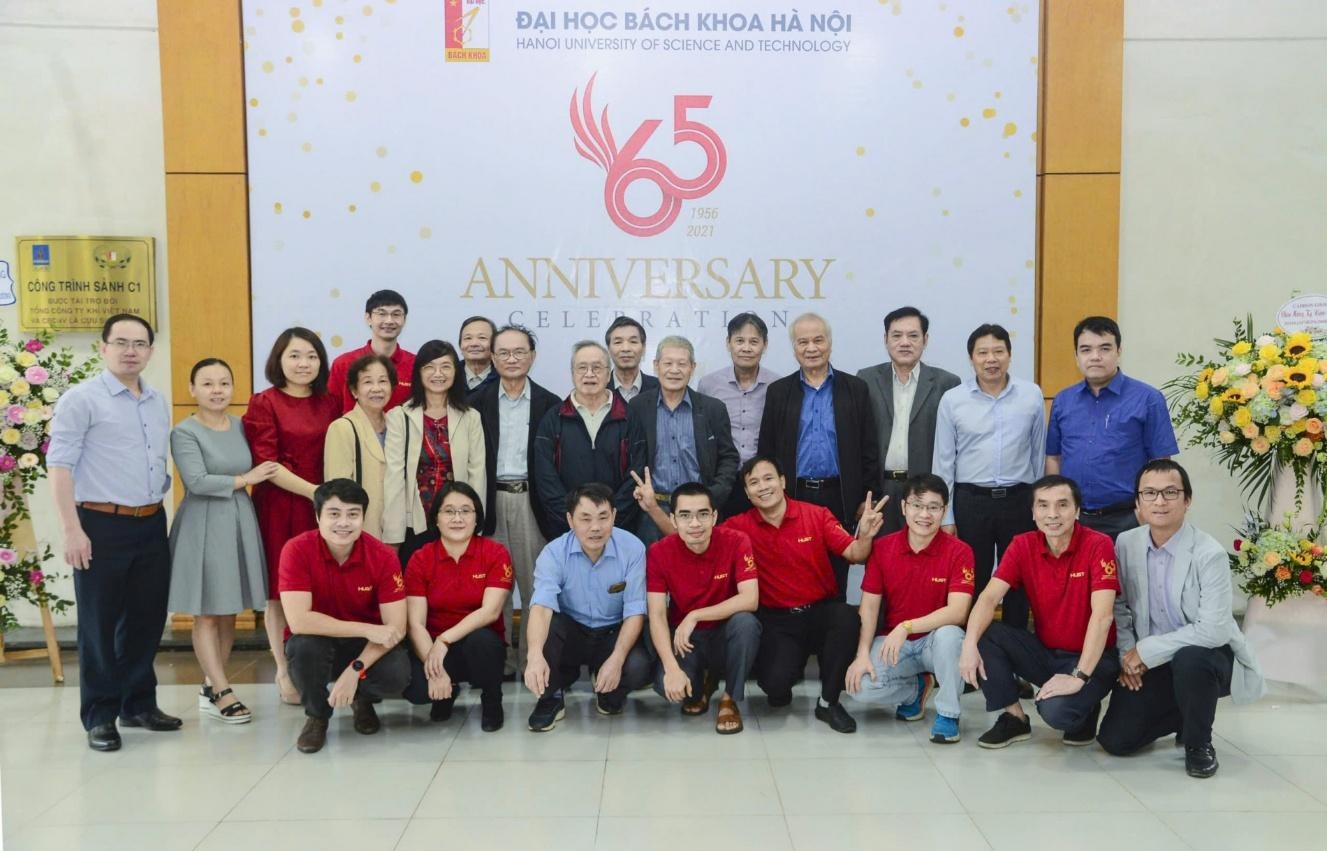
Alongside building the laboratory, Assoc. Prof. Vu Gia Hanh devoted significant effort to compiling teaching materials. He personally translated a thick electrical machine textbook from Chinese to Vietnamese for Cohort 1 students. Subsequently, he spearheaded the compilation of the first Vietnamese "Electrical Machines" textbook series along with brilliant young engineers like Phan Tu Thu—a veteran teacher, engineer, and expert in the Vietnamese Power Industry, who later became a colleague of Assoc. Prof. Vu Gia Hanh at HUST. This scientific and logical textbook series had been reprinted for the 8th time by the time he received his retirement decision in September 1995, affirming its enduring value over time.
Over nearly 40 years standing at the podium, his greatest pride remains the maturity of generations of his students. He always speaks of his young student, Nguyen Thi Nguyet. Thanks to the solid theoretical foundation and creative mindset instilled at HUST, this female engineer bravely accepted the task of designing and successfully manufacturing Vietnam's first 110kV, 220kV, and ultimately 500kV transformers without needing overseas training, saving the country hundreds of billions of dong. She was honored with the title of Hero of Labor in the renovation period. His student's remarkable success is the priceless sweet fruit of teacher Vu Gia Hanh's dedicated life in education.
Overcoming Life's Low Notes and Enjoying a Fulfilling Old Age By the Old School
To improve his family's finances and fulfill his international duty, he went to Algeria twice to work as an educational expert. With his fluent French skills honed since childhood, he taught classes in French in the capital city of Algiers during his first two-year stint. Accumulating some savings, he returned home to take care of his growing children and used the money to buy back the very collective apartment in Trung Tu that the family had previously been forced to sell to cover living expenses.
Shortly after, he traveled to Algeria a second time for a 1.5-year term. This trip was fraught with danger due to the rise of extremist terrorist forces. A close colleague of his from the HUST School of Mechanical Engineering was assassinated by rebels with a gun right on his way to the lecture hall. Facing a direct threat to the lives of Vietnamese experts, his wife back home petitioned the Ministry of National Education to allow him to return to Vietnam ahead of schedule.
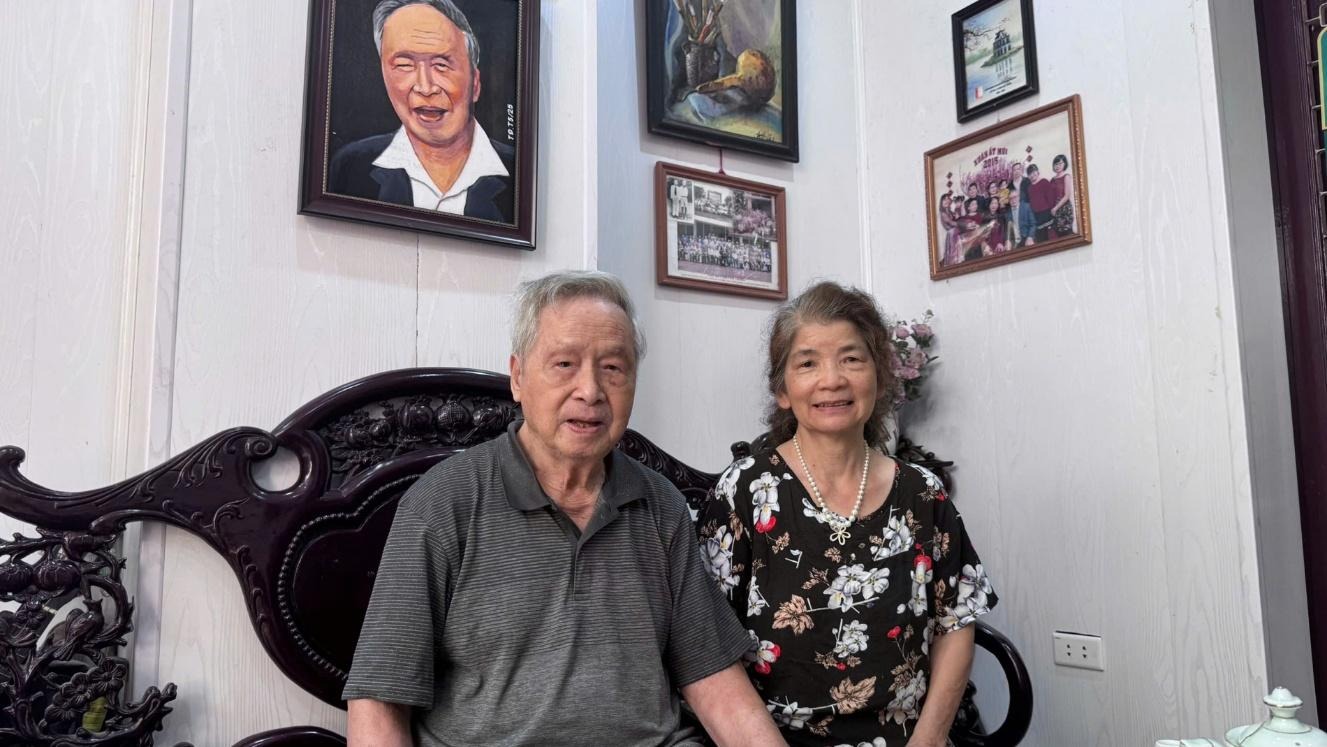
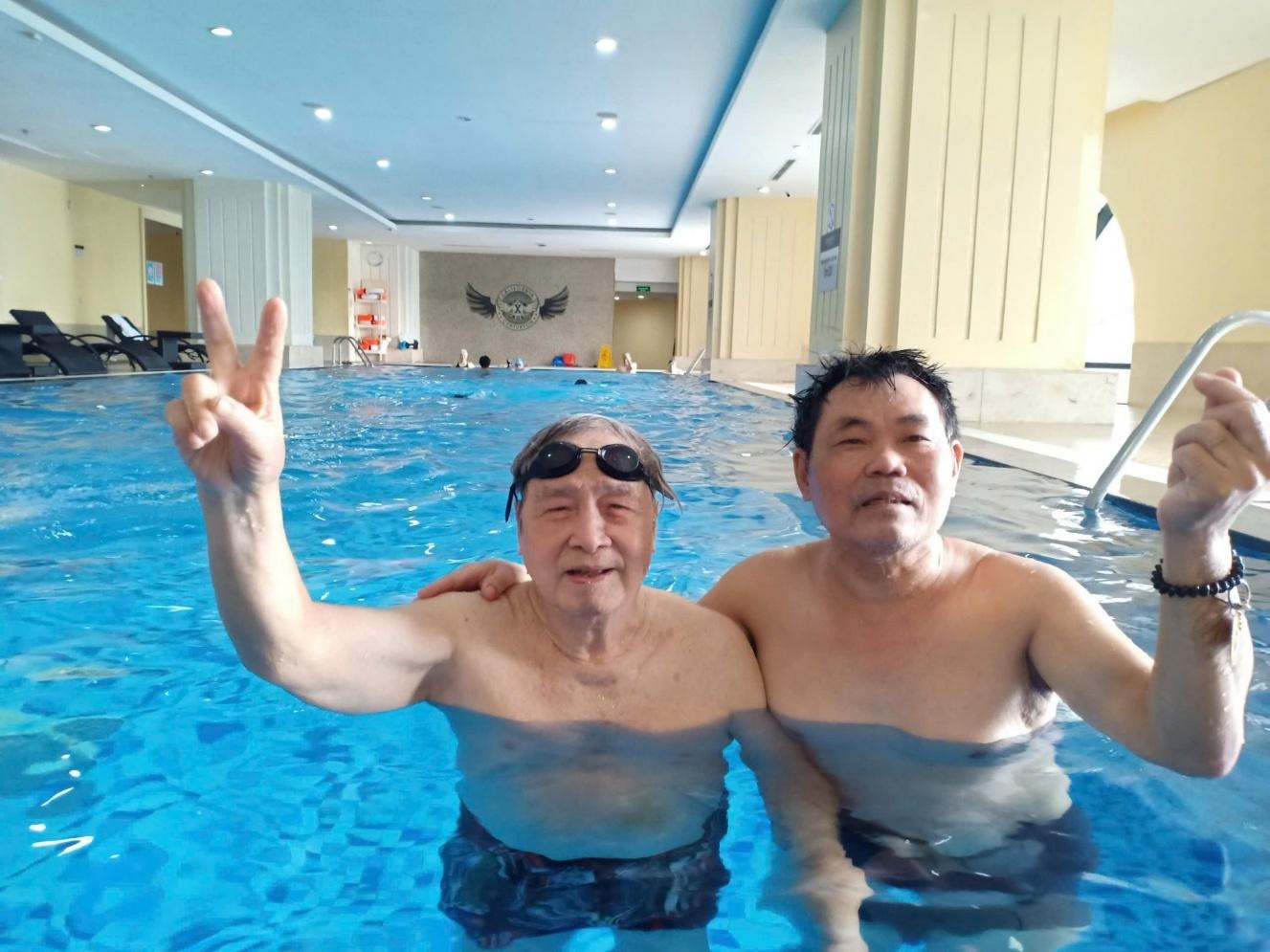
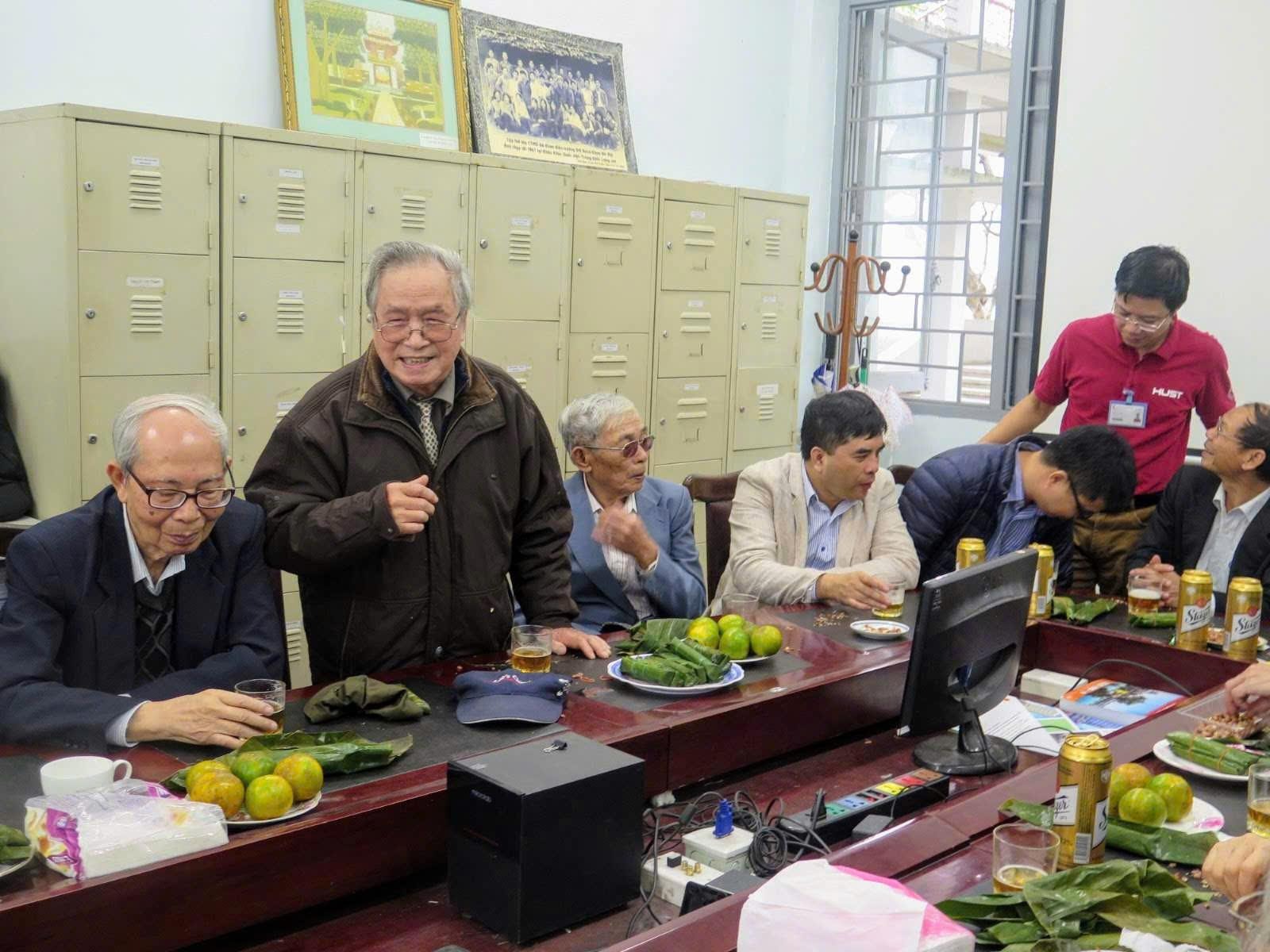
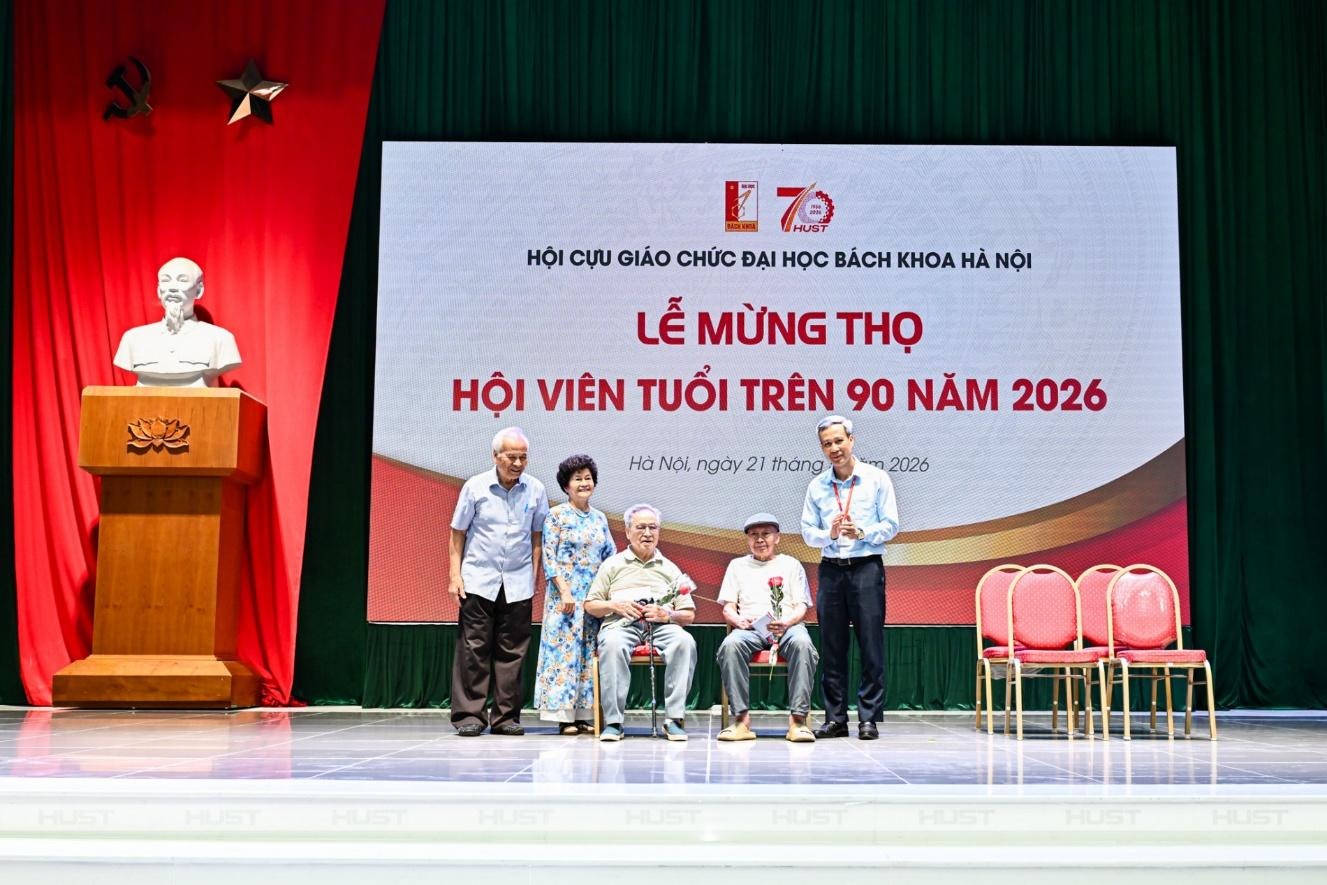
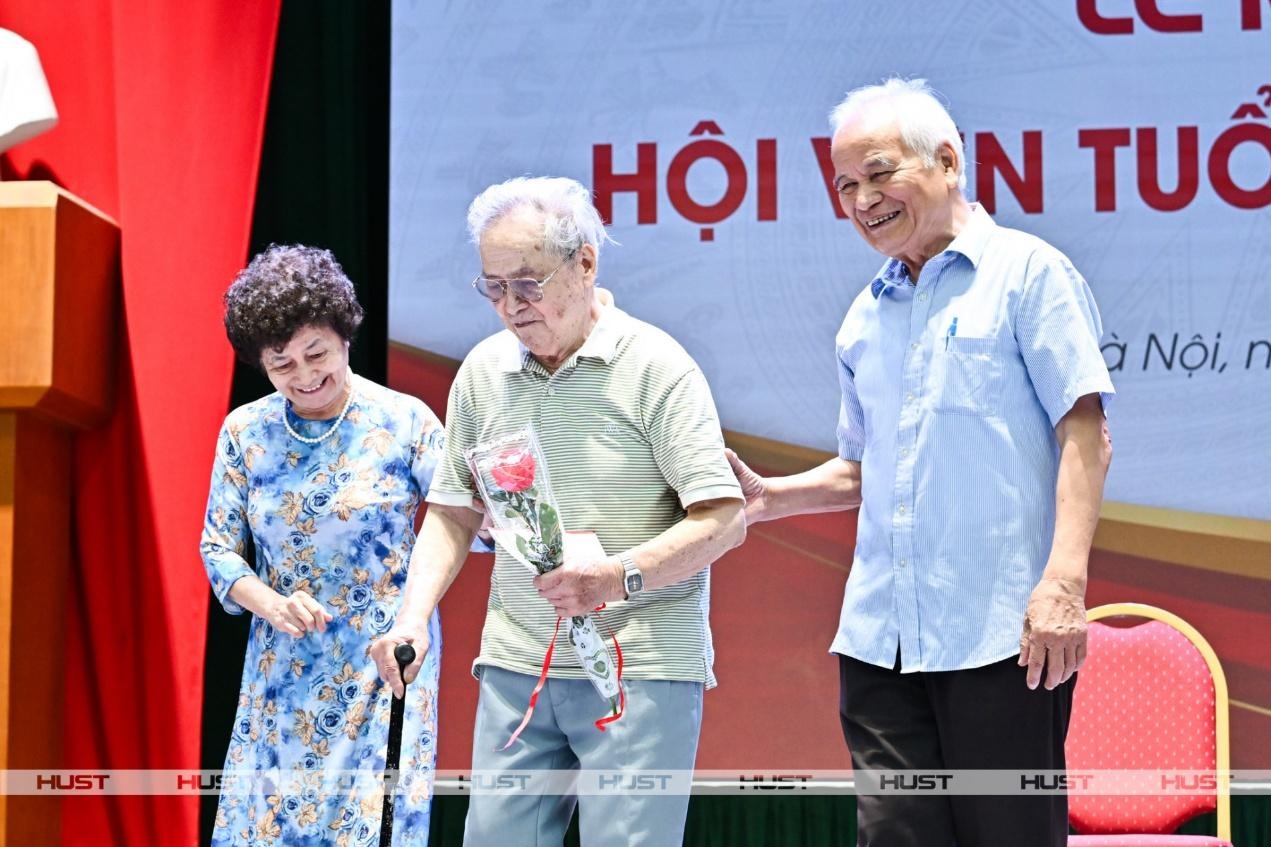
His lucid mind serves as a shining everyday example for his descendants. His son successfully started a private transformer manufacturing company, doing very well in business.
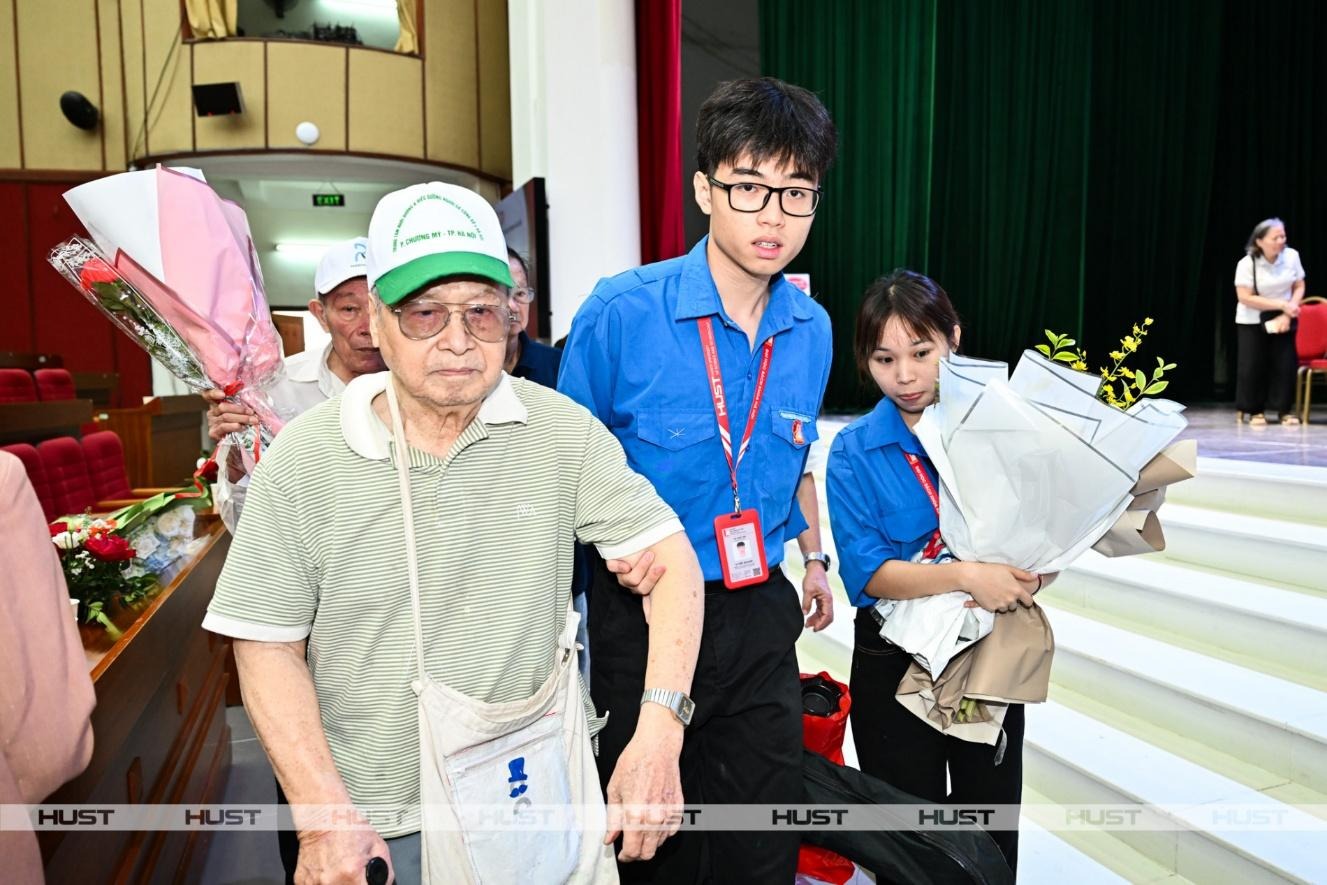
Author: Nguyễn Diệu Ngọc
Newer articles
Older articles
-
 HUST Student Wins Third Prize at the 2nd Japanese Speech...
-
 HUST Proposes Sandbox Pilot for Tech Spin-offs
-
 HUST and the Hanoi Department of Science and Technology...
-
 The Educator Who Helped Lay the Foundation for the...
-
 Paid Internship Opportunities in Japan for Students in the...
-
 HUST Welcomes Nearly 10,000 New Cohort 71 Students, Opening...
-
 HUST Business Analytics Graduate Secures AI PhD Scholarships...
-
 HUST students: Using English as a “passport” to the world
-
 The HUSTer and His Aspiration to Connect Traditional...
-
 Committee on Science, Technology and Environment Signs a...